
Case Study: Meeting Mission-Critical Deadlines with Precision CNC Machining
Introduction to Precision CNC Machining
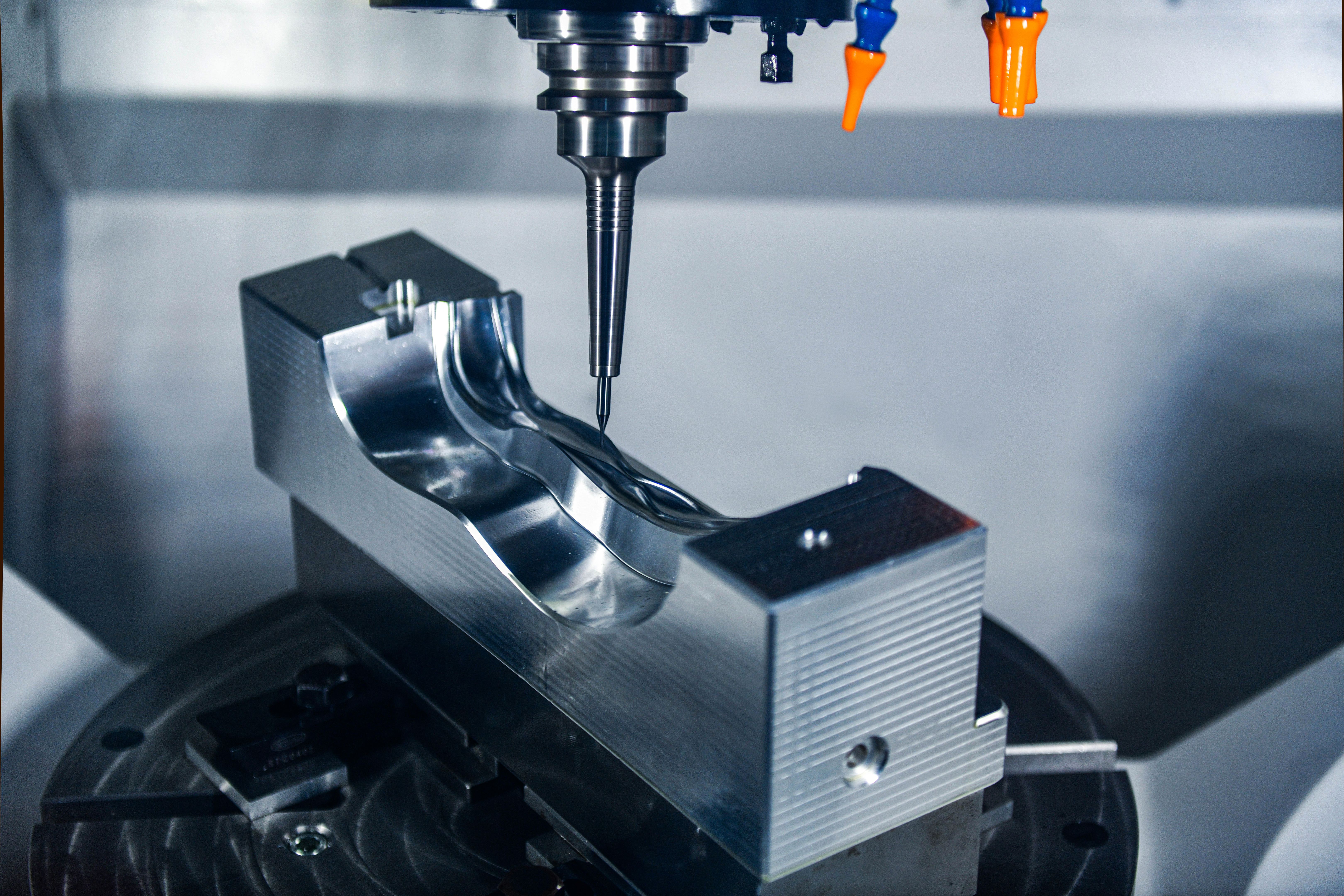
In today's fast-paced manufacturing environment, meeting mission-critical deadlines is essential. Precision CNC (Computer Numerical Control) machining plays a vital role in achieving this goal by delivering high-quality components with remarkable speed and accuracy. This case study explores how CNC machining can be the key to meeting tight deadlines without compromising on quality.
The Challenge of Tight Deadlines
Manufacturers often face the challenge of producing complex parts within stringent timeframes. Delays can lead to increased costs, dissatisfied customers, and lost opportunities. This is where precision CNC machining comes into play, offering a reliable solution to meet these demands efficiently.
By automating the production process, CNC machines reduce human error and increase consistency. This capability is particularly important for industries like aerospace, automotive, and medical devices, where precision is paramount.
Benefits of CNC Machining
Precision CNC machining offers several advantages that make it ideal for meeting tight deadlines:
- Speed: CNC machines can operate 24/7, significantly reducing production time.
- Accuracy: High precision ensures that each component meets exact specifications.
- Flexibility: CNC machining can handle a wide range of materials and complex geometries.
Case Study: Achieving Success
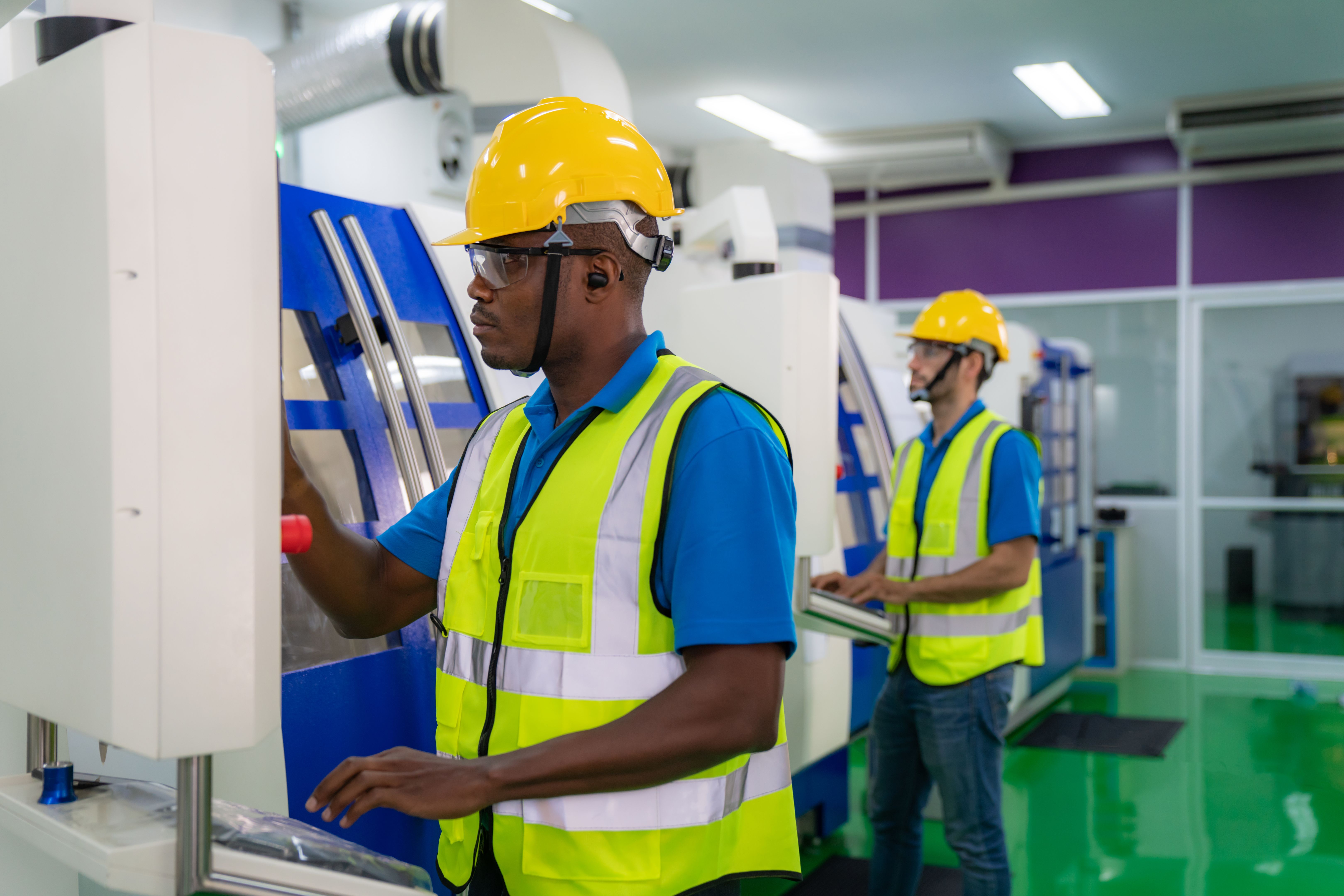
Consider a company in the aerospace industry that needed to produce a batch of critical components within a two-week deadline. Using traditional methods would have taken double the time, potentially causing project delays. However, by leveraging CNC machining, the company was able to meet the deadline with time to spare.
The automated nature of CNC machines allowed for continuous operation, and the precision cut down on the need for rework. This streamlined process not only saved time but also reduced waste, contributing to cost efficiency.
Steps to Success
The success of this project was achieved through a series of well-coordinated steps:
- Initial design and prototyping to ensure feasibility.
- Programming the CNC machines with exact specifications.
- Continuous monitoring and quality checks throughout the production process.
- Timely adjustments to the workflow to address any potential issues.

Conclusion
Precision CNC machining is a game-changer for industries requiring high-quality components within tight deadlines. Its ability to operate continuously, coupled with its accuracy and flexibility, makes it an indispensable tool in modern manufacturing.
By adopting CNC machining, companies can not only meet their immediate production goals but also enhance their overall efficiency and competitiveness in the market. Embracing this technology is a strategic move towards achieving operational excellence and customer satisfaction.