
Case Study: Successful CNC Solutions for Industrial Applications
Introduction to CNC Solutions in Industry
Computer Numerical Control (CNC) technology has revolutionized the industrial sector, offering precision, efficiency, and versatility. By automating complex tasks, CNC systems have become indispensable in various applications, from automotive to aerospace industries.
The ability to produce intricate designs with minimal human intervention has made CNC machines a staple in manufacturing. This case study explores the successful implementation of CNC solutions in industrial applications, highlighting key advantages and real-world examples.
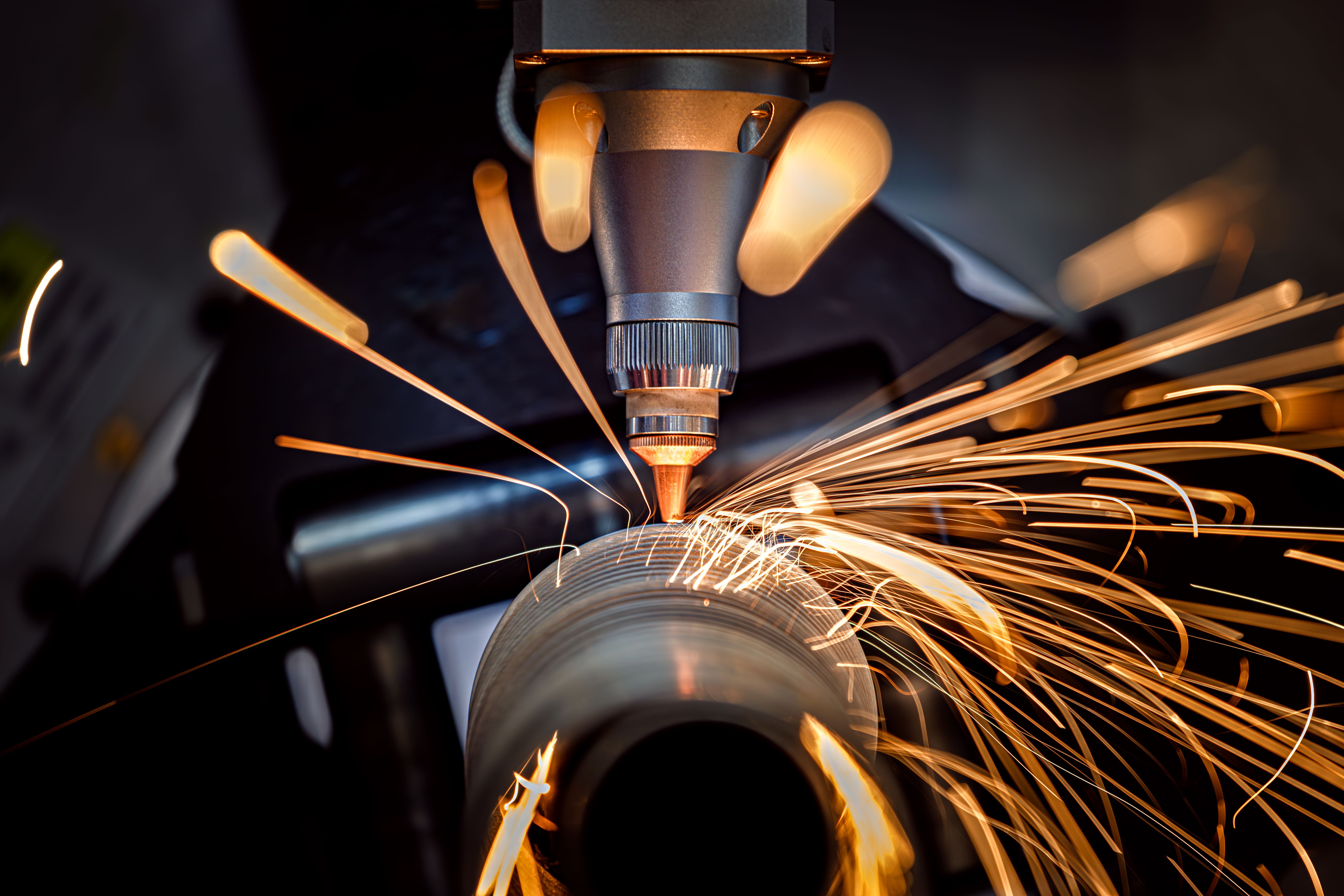
Enhancing Precision and Efficiency
One of the primary benefits of CNC technology is its ability to enhance precision. Traditional manual machining often involves human error, whereas CNC machines operate with exact specifications. This precision leads to higher quality products and reduces waste, significantly improving efficiency.
In industries where tight tolerances are crucial, such as the aerospace sector, CNC solutions ensure that every component meets exact standards. This level of accuracy is essential for maintaining safety and performance in high-stakes applications.
Automating Complex Tasks
CNC machines excel in automating complex tasks, allowing for the production of intricate parts that would be difficult or impossible to achieve manually. This capability is particularly beneficial in the automotive industry, where detailed components are essential for vehicle performance.
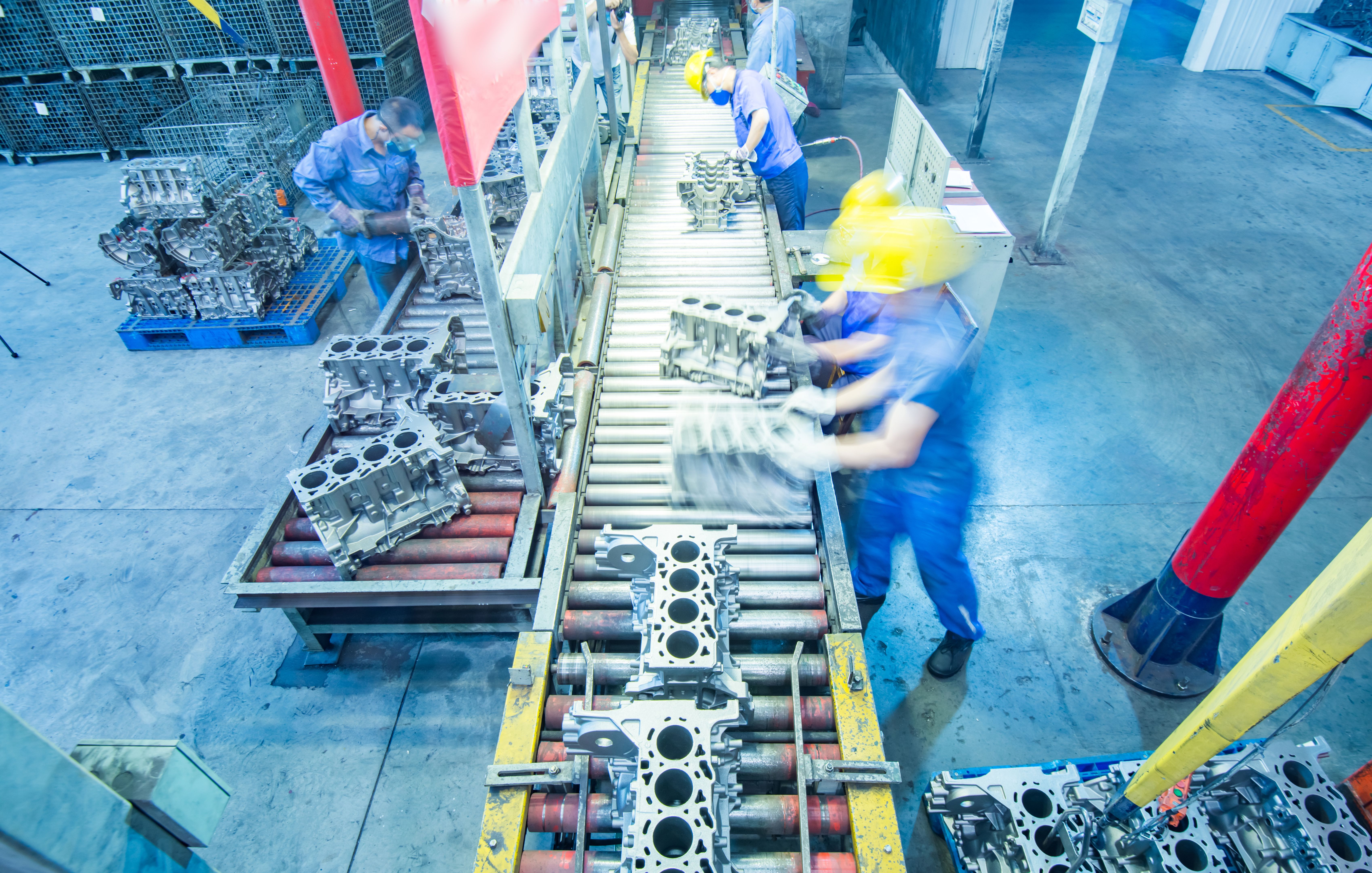
Case Study: Automotive Industry Success
In the automotive industry, a leading manufacturer implemented CNC solutions to streamline production. By automating the fabrication of engine components, the company reduced production time by 30% and increased overall output. The precision of CNC machining also ensured that each part met stringent quality standards, reducing the need for costly reworks.
- Reduced production time by 30%
- Increased output
- Enhanced product quality
Impact on Cost and Quality
The adoption of CNC technology not only improved production efficiency but also had a significant impact on cost and quality. The reduction in manual labor and the minimization of errors led to lower production costs. Furthermore, the consistent quality of CNC-produced parts enhanced the company's reputation for reliability and performance.

Challenges and Considerations
While CNC solutions offer numerous benefits, there are challenges to consider. Initial setup costs can be high, and operators require specialized training to effectively manage CNC systems. However, the long-term benefits often outweigh these initial investments, as seen in various industrial applications.
Companies must also consider the integration of CNC machines with existing systems. Ensuring compatibility and seamless operation can be complex but is essential for maximizing the benefits of CNC technology.
Conclusion: The Future of CNC in Industry
The successful implementation of CNC solutions in industrial applications highlights their transformative potential. As technology continues to advance, CNC systems will likely become even more integral to manufacturing processes, driving innovation and efficiency across industries.
By embracing CNC technology, companies can enhance their competitive edge, delivering high-quality products with unmatched precision and efficiency. The future of industrial manufacturing undoubtedly includes CNC as a cornerstone of innovation and success.