
Choosing the Right Custom Machined Parts for Your Industry Needs
Understanding Custom Machined Parts
In today's fast-paced industrial environment, choosing the right custom machined parts is crucial for ensuring optimal performance and efficiency. These parts are tailored to meet specific requirements and can significantly enhance the functionality of machinery across various sectors. Whether you're in the automotive, aerospace, or medical industry, understanding the nuances of custom machined parts can be the key to success.
Identifying Your Industry Needs
Before selecting custom machined parts, it is essential to identify your specific industry needs. Start by evaluating the machinery and equipment you currently use. Consider the following questions:
- What are the specific performance requirements?
- Are there any environmental conditions to consider?
- What are the budget constraints?
By answering these questions, you'll gain a clearer understanding of the type of parts that will best suit your operations.
Material Selection
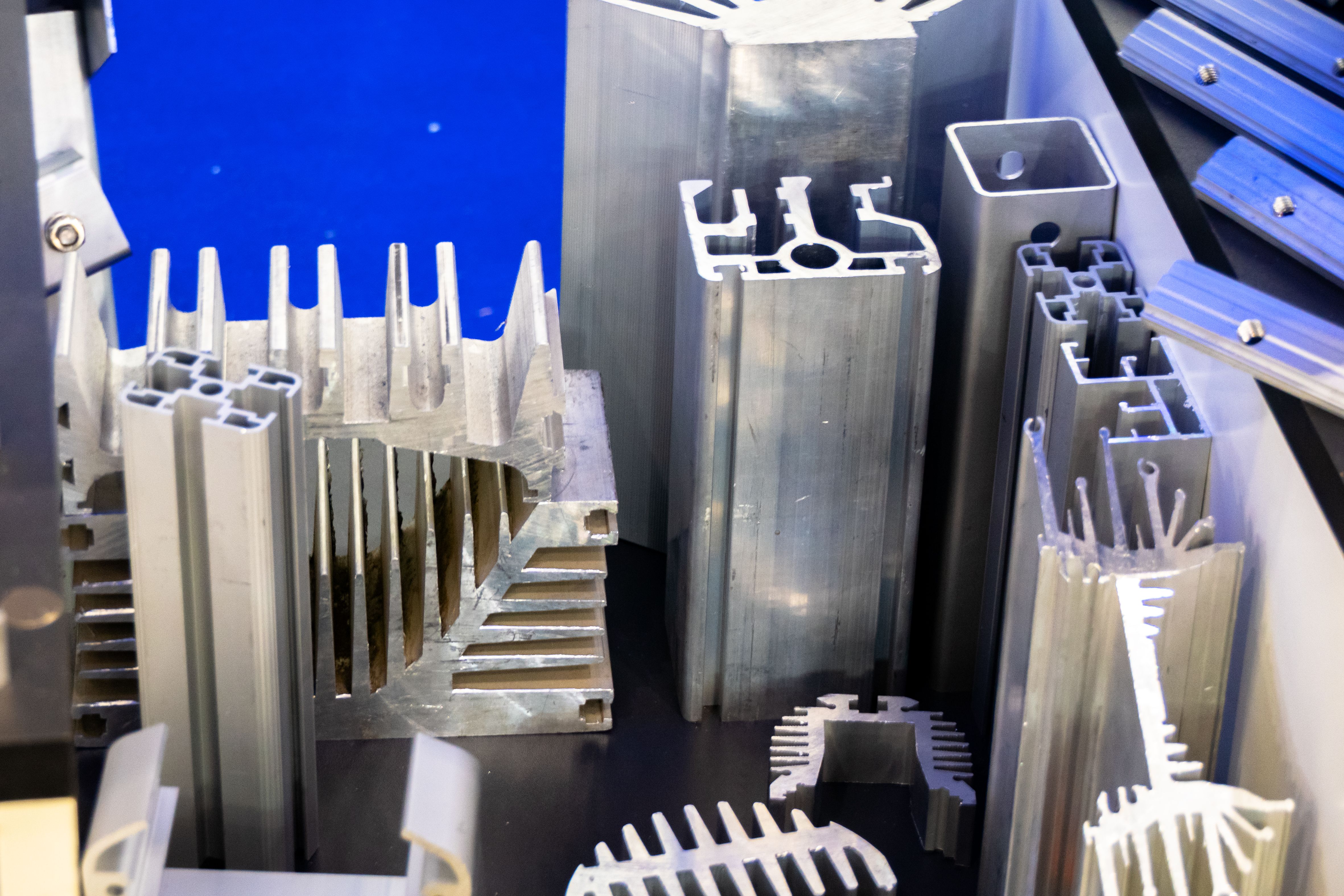
The choice of material plays a pivotal role in the functionality and durability of custom machined parts. Common materials include metals like aluminum, steel, and titanium, as well as plastics and composites. Each material offers unique advantages:
- Aluminum: Lightweight and corrosion-resistant.
- Steel: Strong and versatile, suitable for a wide range of applications.
- Plastics: Cost-effective and versatile, ideal for non-load-bearing applications.
Precision and Tolerances
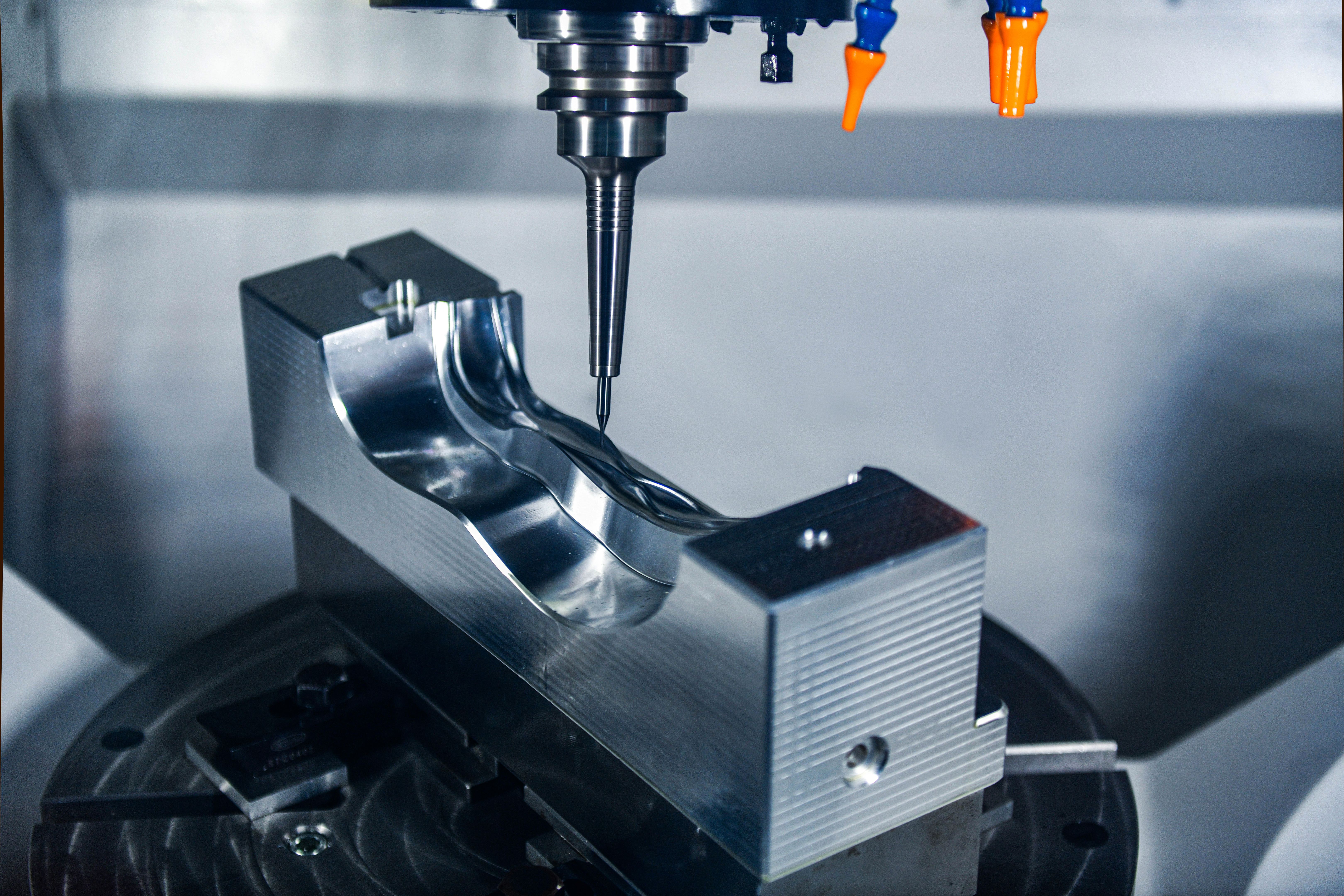
Precision is a critical factor when selecting custom machined parts. Tolerances determine how much variance is allowed in the part's dimensions. Industries like aerospace and medical require extremely tight tolerances to ensure safety and efficiency. It's important to communicate these requirements clearly with your manufacturer to achieve the desired outcomes.
Choosing the Right Manufacturer
Partnering with a reliable manufacturer is essential for obtaining high-quality custom machined parts. Look for manufacturers with a proven track record in your industry. Consider their expertise, technology, and capability to handle your specific material and design requirements. Don't hesitate to ask for samples or references from previous clients.
Cost Considerations
While quality should never be compromised, it's important to keep cost considerations in mind. Custom machined parts can be expensive, but they offer long-term benefits by improving efficiency and reducing downtime. Work closely with your manufacturer to find a balance between quality and cost, ensuring you receive the best value for your investment.

Future Trends in Custom Machining
The field of custom machining is continuously evolving, with advancements in technology leading to better precision and efficiency. Innovations like 3D printing and CNC machining are making it easier to produce complex parts with high accuracy. Staying updated with these trends will help your business remain competitive and responsive to market demands.
In conclusion, choosing the right custom machined parts involves a thorough understanding of your industry needs, careful material selection, and collaboration with a reputable manufacturer. By focusing on these aspects, you can ensure that your machinery operates at peak performance, ultimately contributing to your business's success.