
Debunking Common Myths About Precision Machining
Understanding Precision Machining
Precision machining is a vital component in the manufacturing industry, providing high-quality parts for various sectors like aerospace, automotive, and medical devices. However, several myths surround this technology, which can lead to misunderstandings about its capabilities and applications.
Myth 1: Precision Machining Is Too Expensive
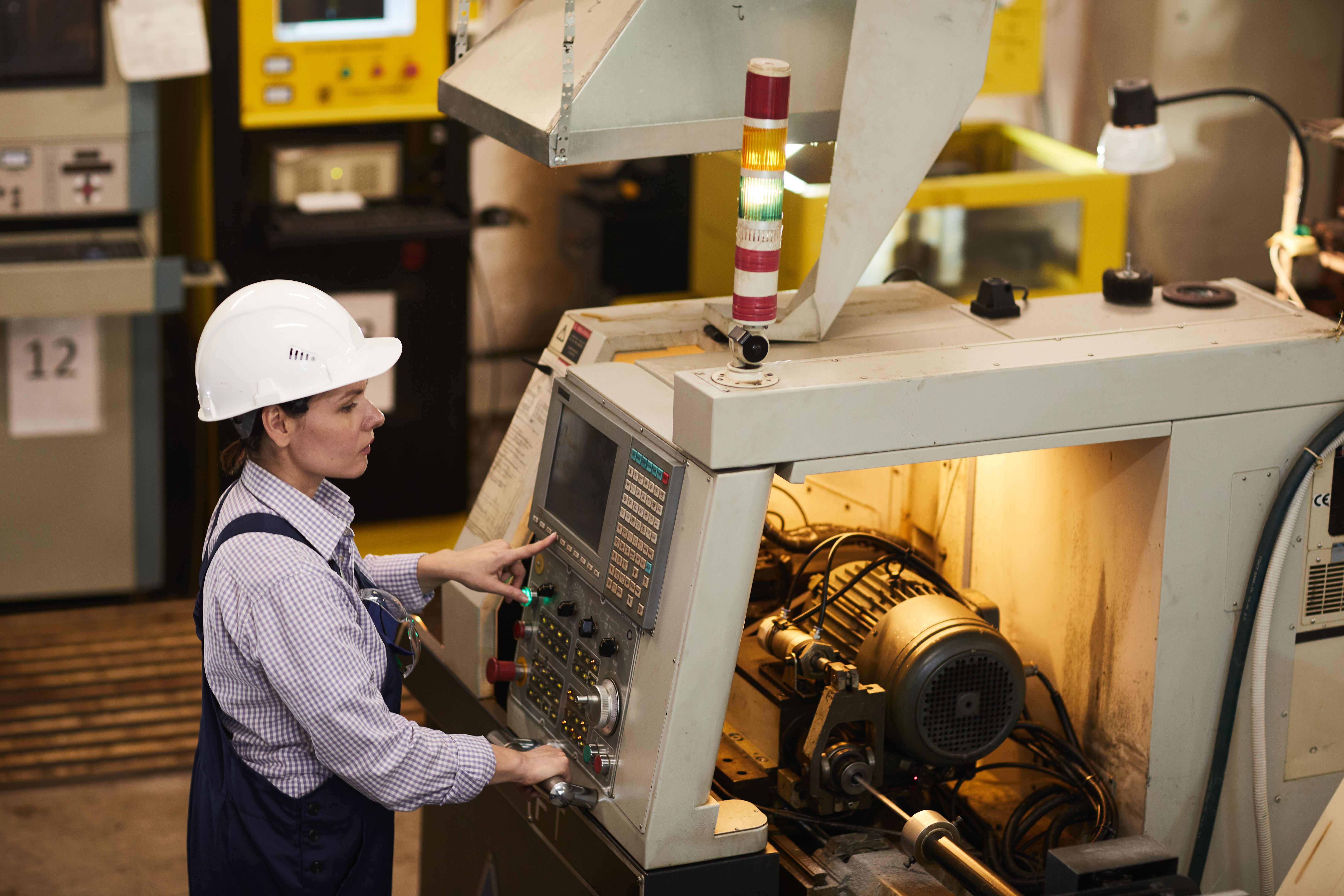
Many believe that precision machining is prohibitively expensive. While it is true that the initial setup and equipment costs can be high, the long-term benefits often outweigh these initial expenses. Precision machining offers unparalleled accuracy, reducing material waste and the need for costly rework. Over time, this precision can lead to significant cost savings.
Additionally, the efficiency and speed of modern precision machining can lower production costs, making it a cost-effective solution for many industries.
Myth 2: Only Large Companies Can Afford It
Another common misconception is that only large companies with vast resources can afford precision machining. In reality, advances in technology have made it accessible to small and medium-sized enterprises. Many precision machining shops offer competitive pricing and flexible services tailored to smaller businesses' needs.

Myth 3: Precision Machining Is Only for Metal
Precision machining is often associated with metalworking, but it's not limited to metals. This versatile technology can work with a wide array of materials, including plastics, composites, and ceramics. This flexibility allows manufacturers to create diverse products, from intricate plastic components to durable metal parts.
By embracing a variety of materials, precision machining can cater to numerous industries and applications, broadening its scope and utility.
Myth 4: It's Only for High-Volume Production
Some believe that precision machining is only suitable for high-volume production runs. This is not the case. Precision machining is highly adaptable and can efficiently produce both small and large quantities. Whether you need a single prototype or a large batch, precision machining can deliver consistent quality and precision.
Myth 5: It's a Slow Process
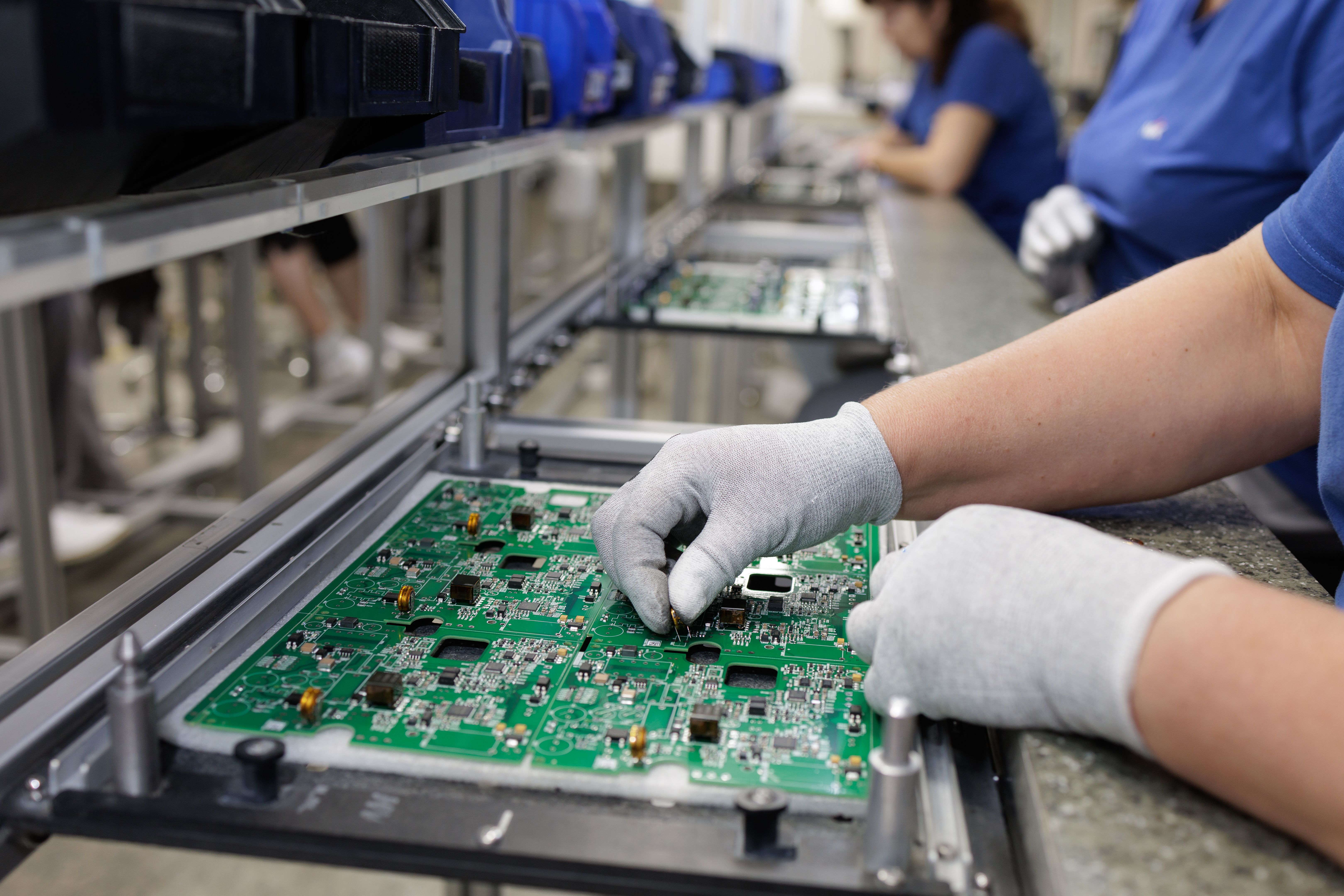
There's a misconception that precision machining is a slow process due to its accuracy. However, modern machining technologies have significantly improved speed and efficiency. Advanced software and machinery enable rapid production without sacrificing quality, making it possible to meet tight deadlines.
Furthermore, automation and computer-aided design (CAD) have streamlined the process, enhancing both speed and precision.
The Future of Precision Machining
As technology continues to evolve, precision machining is poised for further innovation. Developments in artificial intelligence, machine learning, and robotics are set to enhance this field, offering even greater accuracy and efficiency.
By debunking these myths, we can better appreciate the capabilities and potential of precision machining, paving the way for continued growth and application across diverse industries.