
Expert Insights: Material Selection for CNC Machining in Defense Applications
Understanding Material Selection for CNC Machining
In the realm of defense applications, the choice of materials for CNC machining is critical. The materials must withstand harsh environments, offer precision, and meet stringent safety standards. The right material can enhance performance, durability, and cost-effectiveness.
Key Properties to Consider
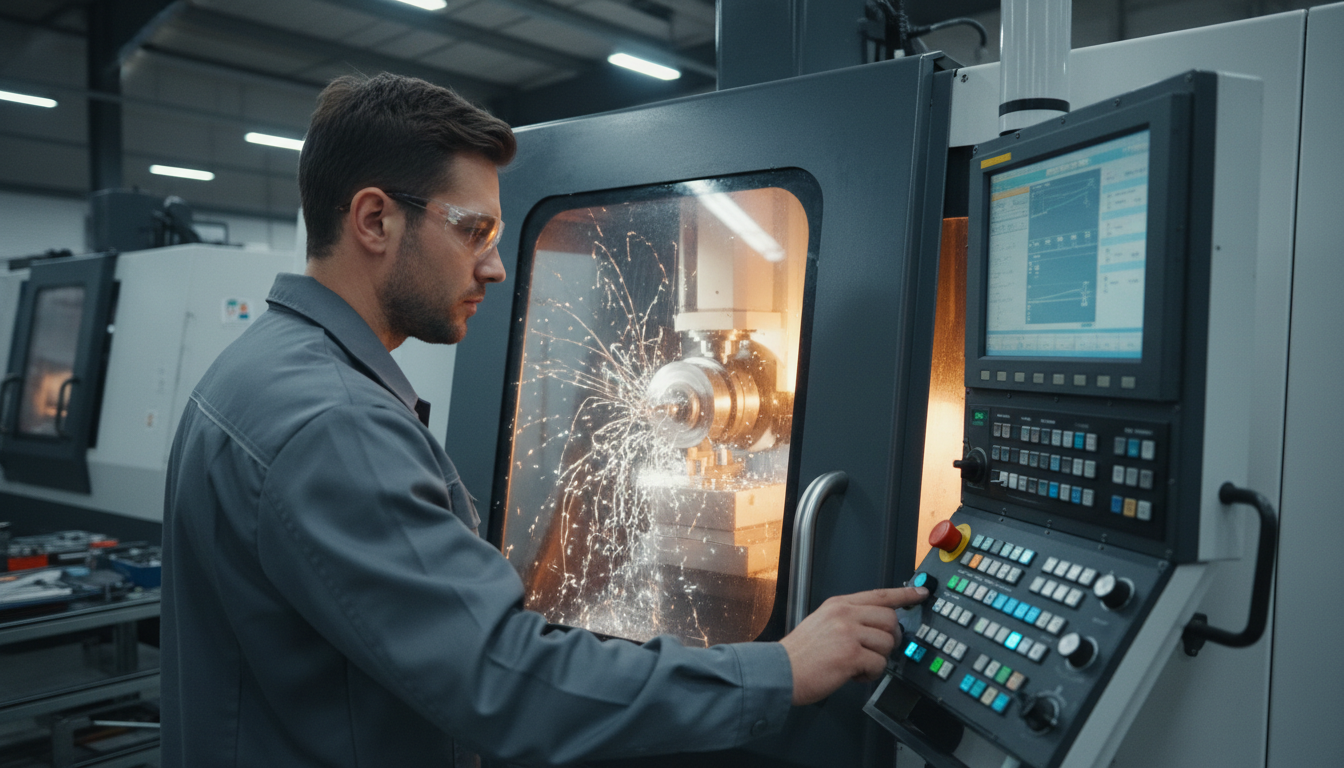
When selecting materials, several properties need consideration. These include strength, weight, and corrosion resistance. For defense applications, materials must be robust enough to endure extreme conditions while remaining lightweight for mobility.
Corrosion resistance is particularly vital as components often face moisture and chemical exposure. Materials like stainless steel and titanium are popular choices for their ability to resist rust and degradation.
Thermal Stability
Thermal stability is another essential factor. Defense components may experience extreme temperatures, making it crucial for materials to maintain their integrity under heat. Metals like Inconel and some high-grade aluminum alloys are favored for their thermal resilience.
Commonly Used Materials
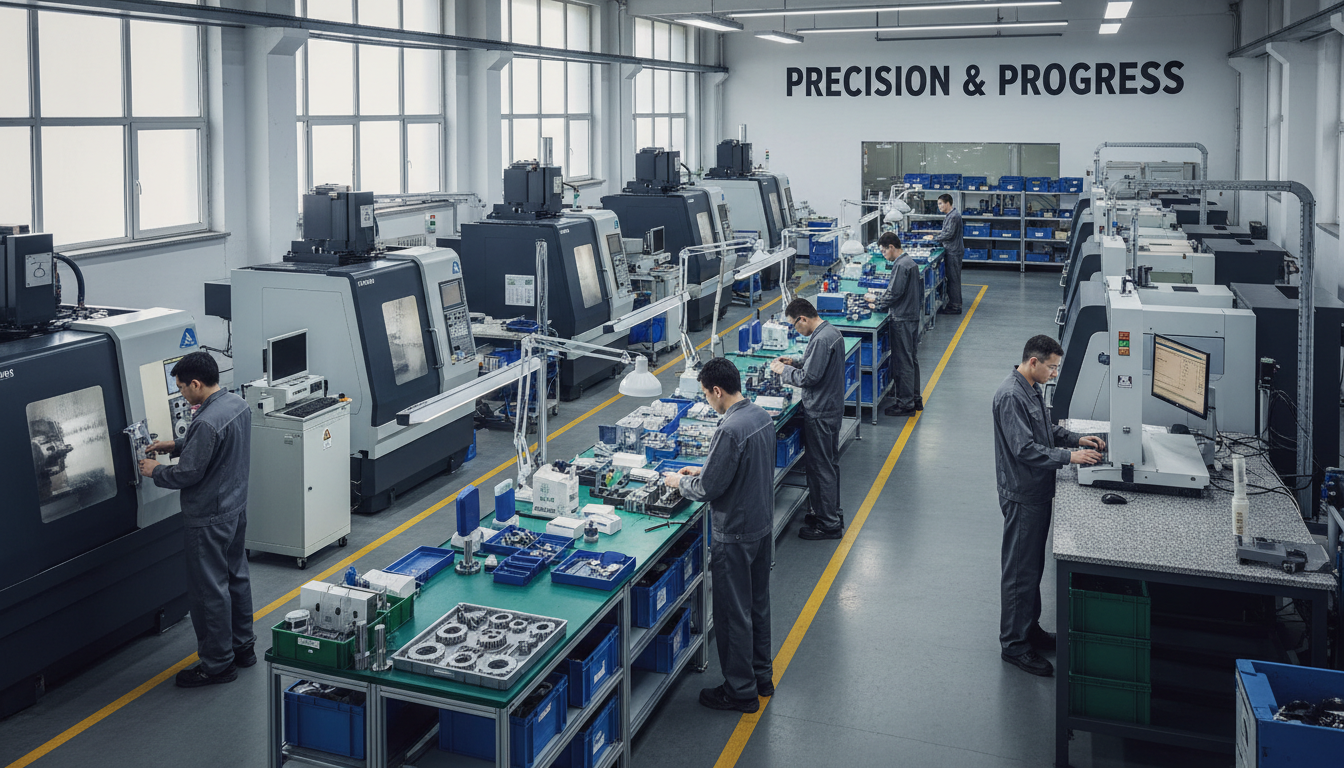
Several materials are commonly used in CNC machining for defense. These include:
- Aluminum Alloys: Lightweight and strong, ideal for aircraft components.
- Titanium: Offers excellent strength-to-weight ratio and corrosion resistance.
- Stainless Steel: Known for its durability and resistance to corrosion.
Composite Materials
Composite materials are increasingly used due to their enhanced properties. Combining metals with other materials can yield components that are lighter and more durable. These composites often provide a balance of strength and weight that traditional metals cannot match.

Cost Considerations
While performance is paramount, cost remains a critical consideration. High-performance materials like titanium can be expensive. Therefore, it's essential to balance material properties with budget constraints. Engineers often work closely with suppliers to find cost-effective solutions without compromising on quality.
Supplier Collaboration
Collaboration with material suppliers can lead to innovative solutions. Suppliers with a deep understanding of both the materials and the specific requirements of defense applications can offer valuable insights and alternatives that might not be immediately obvious.

The Future of Material Selection
As technology advances, new materials and composites are continually being developed. Research and innovation in this field are crucial for meeting the evolving demands of defense applications. The future holds exciting possibilities for lighter, stronger, and more efficient materials.
Keeping abreast of these developments is essential for staying competitive in the defense industry. Continuous learning and adaptation will pave the way for advancements in CNC machining and material selection.