
Expert Tips for Ensuring Quality in CNC Machine Shops
Understanding the Importance of Quality in CNC Machine Shops
Ensuring quality in CNC machine shops isn't just about producing flawless parts; it's about maintaining a reputation for excellence in precision manufacturing. High-quality output leads to increased customer satisfaction, repeat business, and a competitive edge in the industry. Let's explore some expert tips to maintain top-notch quality.
Invest in the Right Equipment
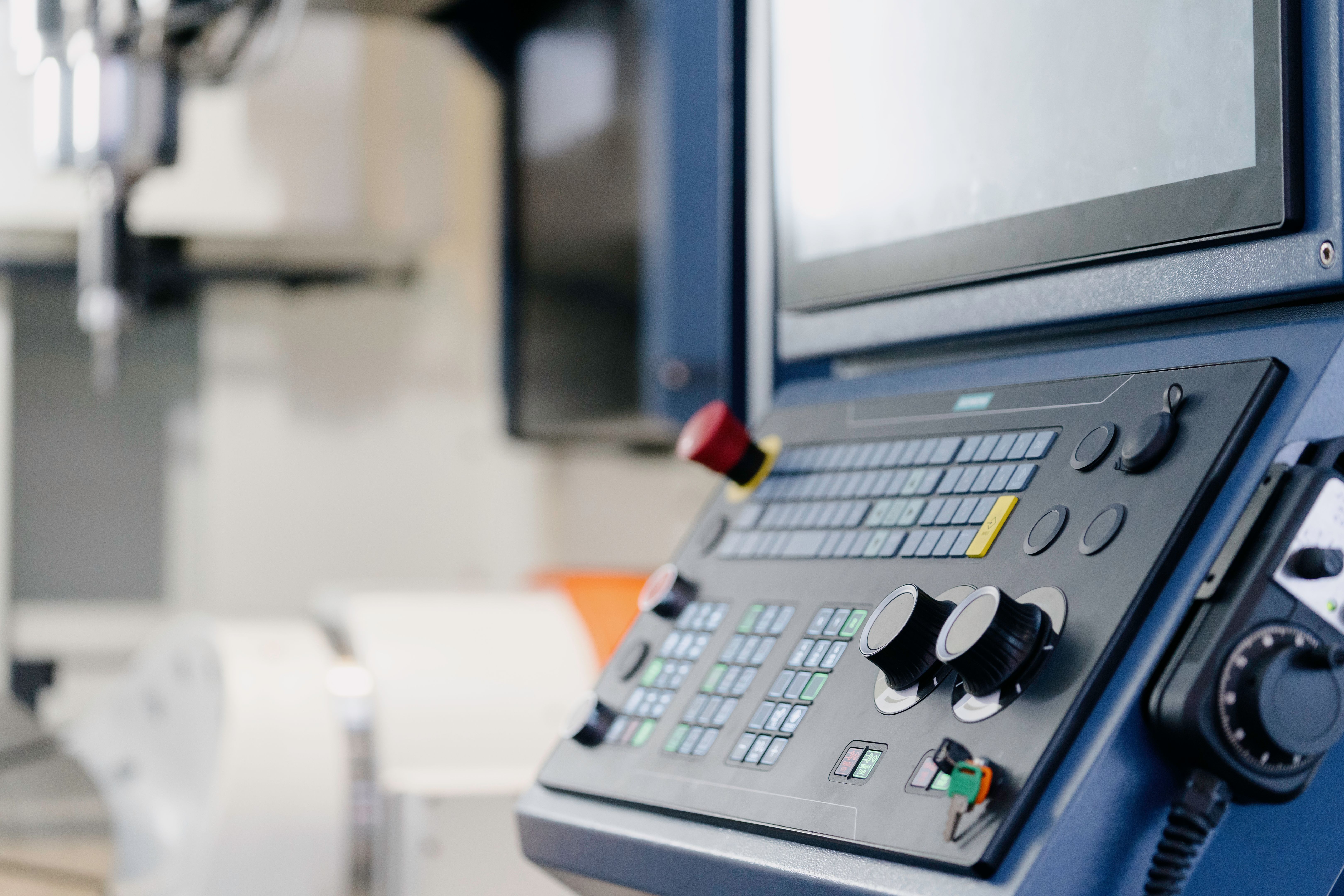
Quality begins with the equipment you use. Investing in high-performance CNC machines that offer precision and reliability is essential. Ensure regular maintenance and calibration to prevent any deviations that could affect the quality of the output. Up-to-date technology not only enhances productivity but also ensures that you meet the stringent quality standards expected by clients.
Implement Rigorous Training Programs
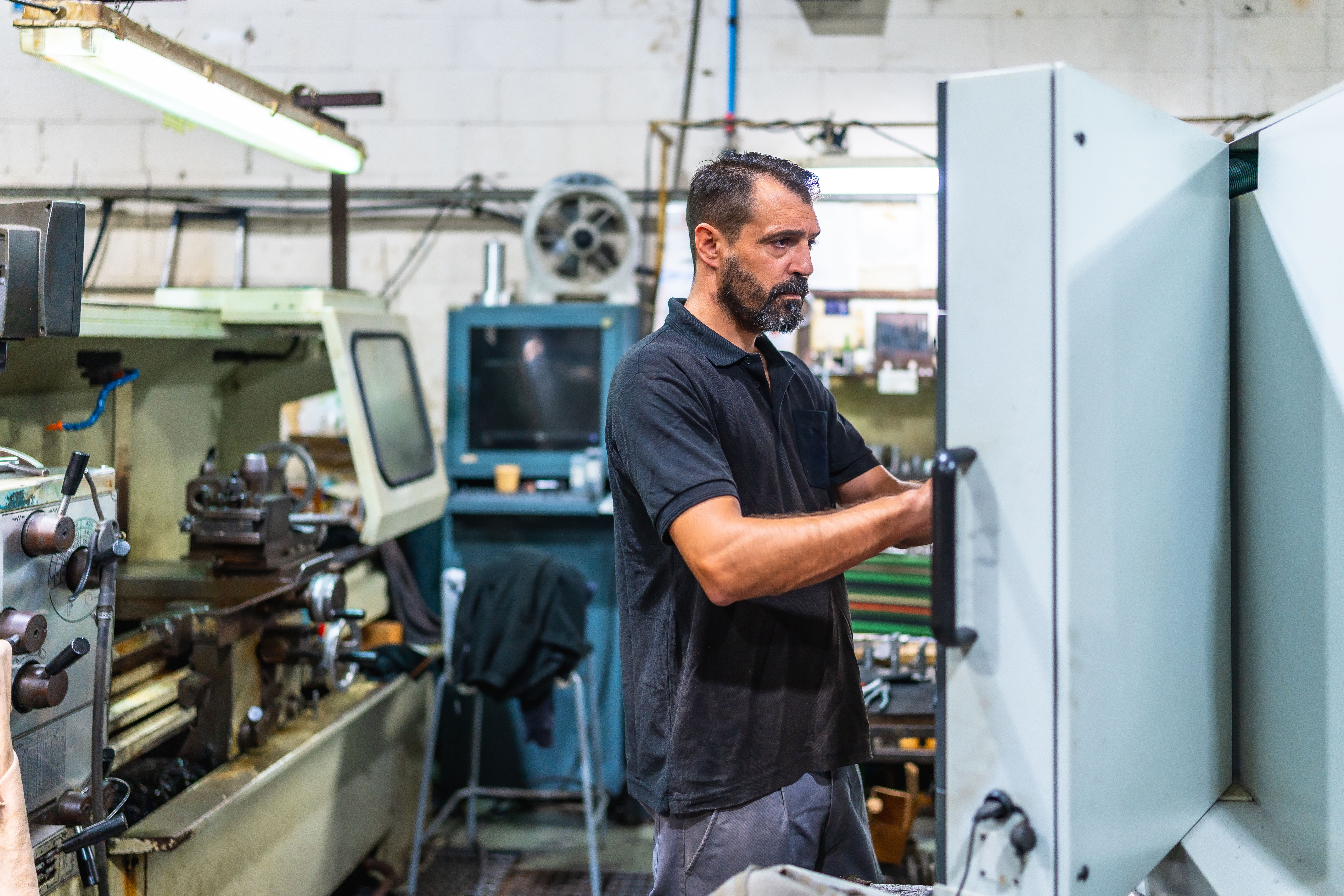
Even the best machines require skilled operators to produce quality results. Implementing comprehensive training programs ensures that your team understands the intricacies of CNC operations. Regular training updates help your team stay abreast of the latest techniques and technologies, fostering a culture of quality and precision.
Utilize Advanced Quality Control Techniques
Incorporate advanced quality control techniques such as statistical process control (SPC) and coordinate measuring machines (CMM) to monitor production processes. These methods help in detecting deviations early, allowing for immediate corrective actions. Regular inspections and audits further enhance the reliability of your quality management system.
Focus on Material Selection
The choice of materials plays a significant role in the final product's quality. Work closely with suppliers to source high-grade materials that meet the specific requirements of your projects. Understanding material properties and their impact on machining processes can prevent potential quality issues.

Enhance Communication and Collaboration
Effective communication between departments, from design to production, ensures that everyone is aligned with quality objectives. Encourage collaboration among teams to identify potential issues early in the production process. This proactive approach can significantly reduce errors and improve overall quality.
Leverage Data and Analytics
Utilize data analytics to gain insights into your production processes. By analyzing trends and patterns, you can identify areas for improvement and optimize operations. Data-driven decision-making helps in consistently meeting quality standards and enhancing operational efficiency.

Adopt Continuous Improvement Practices
Quality assurance is an ongoing process. Adopting continuous improvement practices like Kaizen can lead to incremental enhancements in your operations. Encourage feedback and suggestions from your team to foster a culture of innovation and quality improvement.
Commit to Customer Feedback
Finally, actively seeking and acting on customer feedback is crucial. Understanding customer needs and expectations allows you to tailor your processes to deliver superior products. A commitment to listening and adapting to customer feedback ensures long-term satisfaction and loyalty.