
Myths About CNC Machining Services: What You Need to Know
As CNC machining services gain popularity in various industries, several myths have emerged about their capabilities and limitations. Understanding these myths is crucial for businesses considering CNC machining for their projects. This post aims to debunk some of the most common misconceptions.
Myth 1: CNC Machining Is Too Expensive
One of the most prevalent myths is that CNC machining is prohibitively expensive. While the initial investment may be higher than other manufacturing methods, the precision and efficiency it offers can lead to cost savings in the long run. CNC machining reduces waste, minimizes errors, and speeds up production, making it a cost-effective option for many businesses.
Cost Analysis
When analyzing costs, consider the reduction in labor costs and increased production speed. Additionally, the ability to produce complex and precise parts can prevent costly redesigns and errors, further offsetting the initial expense.
Myth 2: CNC Machining Is Only for Large Production Runs
Another misconception is that CNC machining is only suitable for large-scale production. In reality, CNC machining is highly versatile and can be used for both small and large production runs. Thanks to its adaptability, it is ideal for prototyping and custom projects.
Flexibility in Production
Whether you need a single prototype or a thousand units, CNC machining can accommodate your needs. Its flexibility allows manufacturers to switch between different designs and quantities quickly, providing a significant advantage over traditional manufacturing methods.
Myth 3: CNC Machines Are Difficult to Program
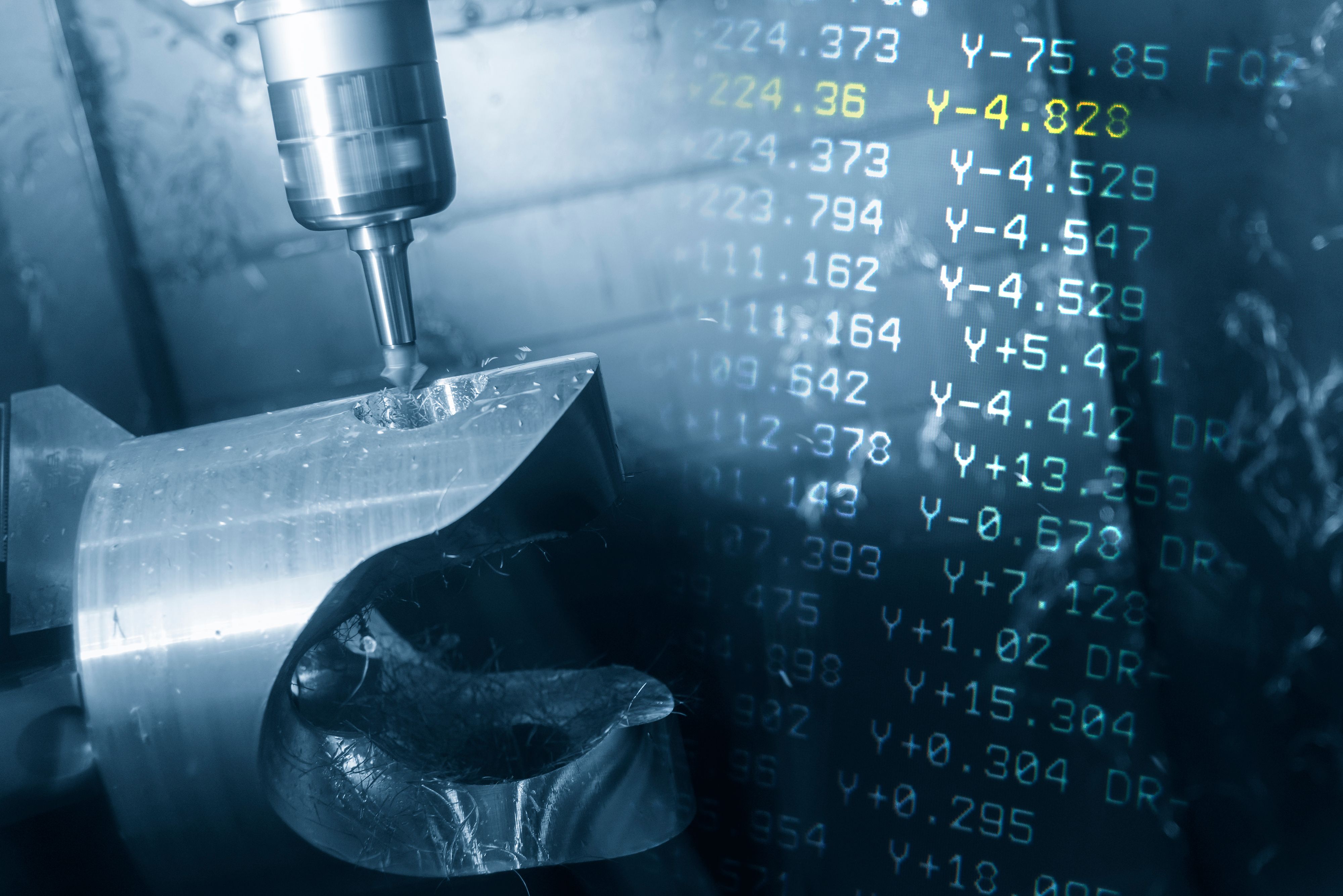
Some believe that CNC machines are challenging to program and require extensive technical expertise. While CNC programming does require a certain level of skill, modern software has made the process more user-friendly. Many CNC machines come with intuitive interfaces that simplify programming tasks.
Ease of Use
With advancements in technology, many manufacturers offer training and support to help users become proficient in CNC programming. The use of simulation software also allows operators to test and refine their programs before actual production, reducing the learning curve.
Myth 4: CNC Machining Can Only Work with Metals
It is a common belief that CNC machining is only suitable for metal materials. However, CNC machines can work with a wide variety of materials, including plastics, wood, and composites. This versatility opens up numerous possibilities for different industries and applications.
Diverse Material Options
The ability to work with different materials makes CNC machining an attractive option for companies in automotive, aerospace, medical, and consumer goods sectors. It allows for experimentation with new materials and innovations in product design.
By dispelling these myths, businesses can make informed decisions about incorporating CNC machining services into their operations. Understanding the true capabilities of CNC machining can lead to enhanced efficiency, cost savings, and innovation.