
Precision Honing: Ensuring Accuracy in Oil & Gas Components
In the oil and gas industry, precision and accuracy are critical. Components must be manufactured to exact specifications to ensure efficiency and safety. One of the key processes in achieving this level of precision is honing. This finishing process is essential for refining surfaces and achieving the desired dimensions and tolerances.

Understanding Precision Honing
Honing is a machining process that involves the use of abrasive stones to improve the geometry of a surface. The goal is to achieve a precise surface finish and specific dimensional tolerances. In oil and gas applications, this process is crucial for components such as cylinders, pipelines, and valves, where even the slightest imperfection can lead to significant issues.
The honing process is typically used after other machining processes, such as drilling or boring. It provides a high-quality finish by removing material from the interior surface of a bore or cylinder. This results in improved roundness, straightness, and surface texture.
The Importance of Precision in Oil & Gas
In the oil and gas industry, where components are subjected to extreme pressures and temperatures, precision is not just desired but essential. Any deviation from the specified dimensions can lead to leaks, reduced efficiency, and even catastrophic failures. Precision honing ensures that components meet strict industry standards and can withstand the harsh conditions they are exposed to.
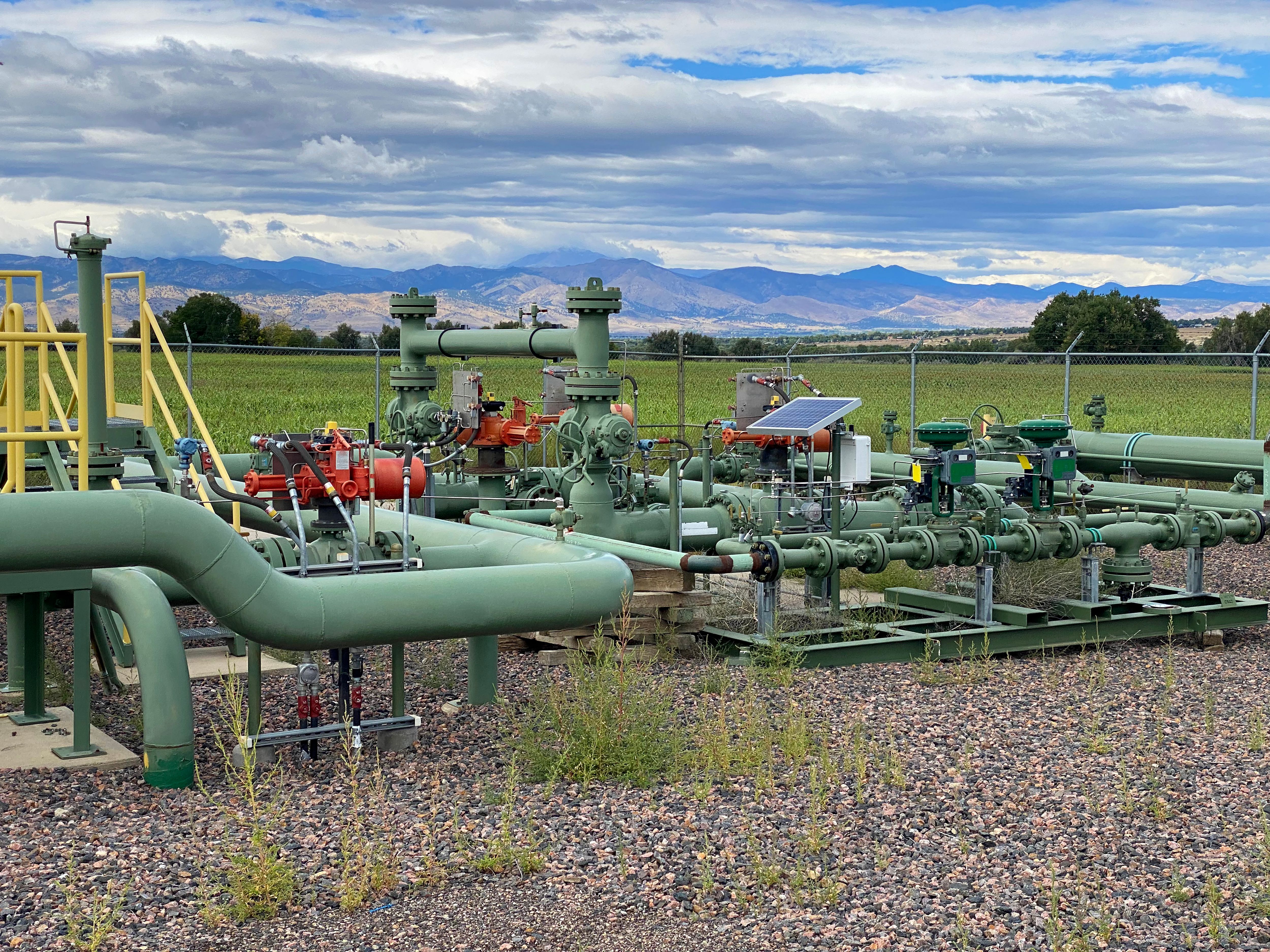
Additionally, precision honing contributes to the longevity and reliability of components. By ensuring that surfaces are smooth and free of defects, the process reduces wear and tear, leading to longer service life and reduced maintenance costs.
Benefits of Precision Honing
The advantages of precision honing in the oil and gas sector are numerous:
- Enhanced Performance: Components that are honed to perfection function more efficiently, leading to better overall system performance.
- Increased Durability: The process reduces surface roughness, minimizing friction and wear.
- Improved Safety: By ensuring that components are free from defects, honing enhances the safety of oil and gas operations.
Advanced Technologies in Honing
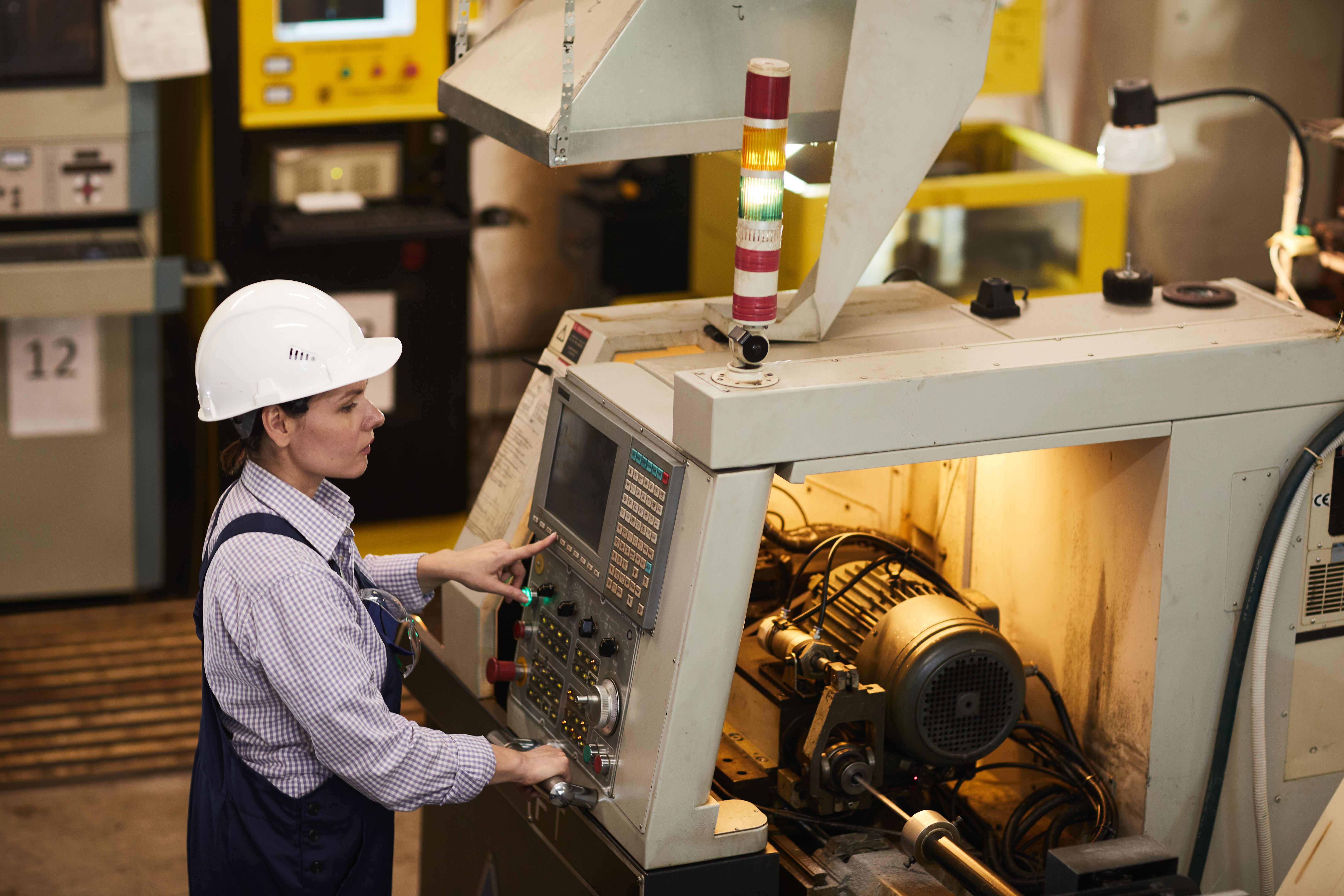
Modern honing techniques have evolved significantly, incorporating advanced technologies such as computer numerical control (CNC) and automated systems. These innovations have increased the precision and consistency of the honing process, allowing for even tighter tolerances and more complex geometries.
Furthermore, the use of advanced materials and abrasives has enhanced the efficiency of honing. These improvements have made it possible to achieve superior surface finishes in less time, reducing production costs and increasing throughput.
Conclusion
Precision honing plays a vital role in the oil and gas industry, ensuring that components meet the highest standards of accuracy and reliability. By investing in advanced honing technologies and processes, companies can enhance the performance and safety of their operations, contributing to the overall success of the industry.