
The Role of CNC Machining in Aerospace and Defense Innovations
Introduction to CNC Machining
In the rapidly evolving fields of aerospace and defense, precision and reliability are paramount. Computer Numerical Control (CNC) machining has become a cornerstone technology, driving innovation and efficiency. This technology allows for the precise control of machinery, enabling the production of complex and intricate components essential for modern aerospace and defense equipment.
CNC machining is celebrated for its ability to produce parts with exact specifications and tight tolerances. It is an essential tool in the manufacturing process, ensuring that every component meets rigorous quality standards required in these high-stakes industries.
Enhancing Design Precision
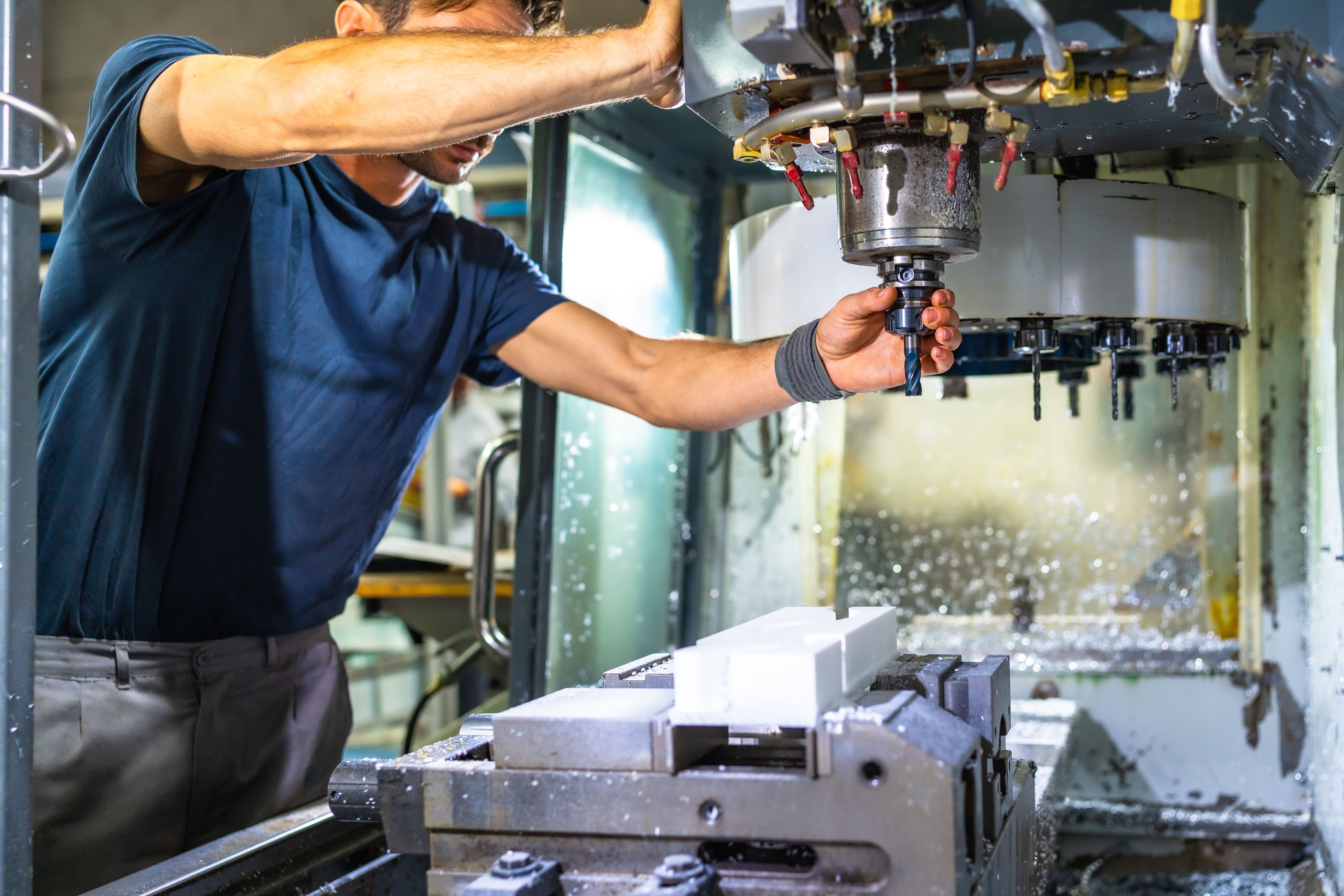
The role of CNC machining in aerospace and defense is primarily centered around enhancing design precision. Engineers can create detailed computer models that CNC machines can interpret to produce exact replicas. This capability is crucial when developing components for aircraft, satellites, and defense systems, where even minor errors can lead to significant consequences.
Moreover, CNC machining supports the production of prototypes, allowing engineers to test and refine their designs before committing to full-scale production. This capability not only saves time but also reduces costs by minimizing the risk of errors in the final product.
Materials and Durability
Aerospace and defense industries require materials that can withstand extreme conditions. CNC machining is equipped to handle a wide range of materials, including metals like titanium and aluminum, as well as advanced composites. This versatility ensures that components can endure high stress, temperature fluctuations, and corrosive environments.
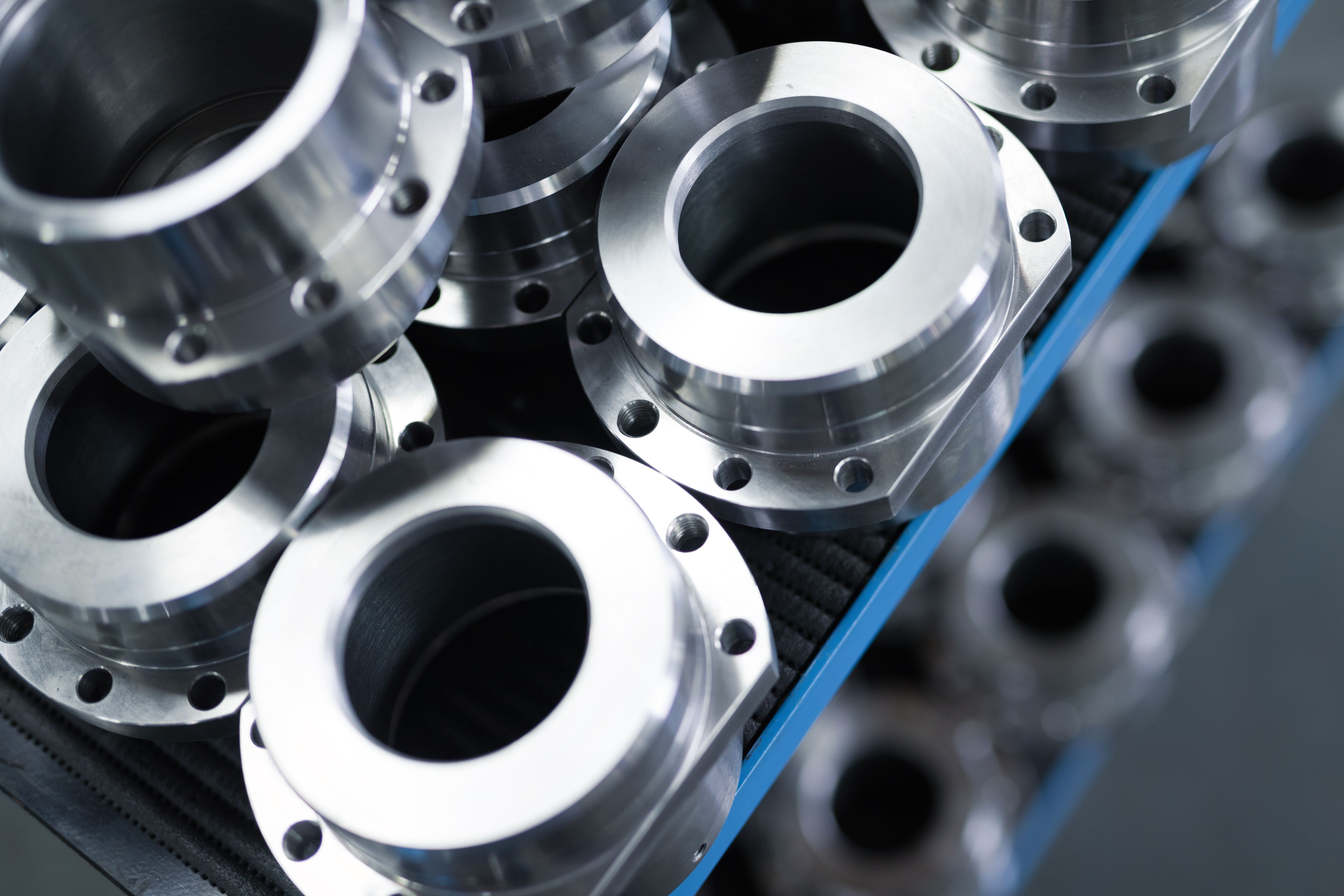
Through CNC machining, manufacturers can achieve consistent material properties and performance. This consistency is vital for maintaining the integrity and safety of aerospace and defense systems over time.
Streamlining Production Processes
CNC machining significantly streamlines production processes by automating tasks that were traditionally manual. This automation reduces human error and increases production speed. In the aerospace and defense sectors, where time-sensitive projects are common, this efficiency is invaluable.
The use of CNC machines also allows for the scalability of production. Whether producing a few components for a prototype or thousands for a large-scale project, CNC machining offers the flexibility needed to meet diverse production demands.
Driving Innovation
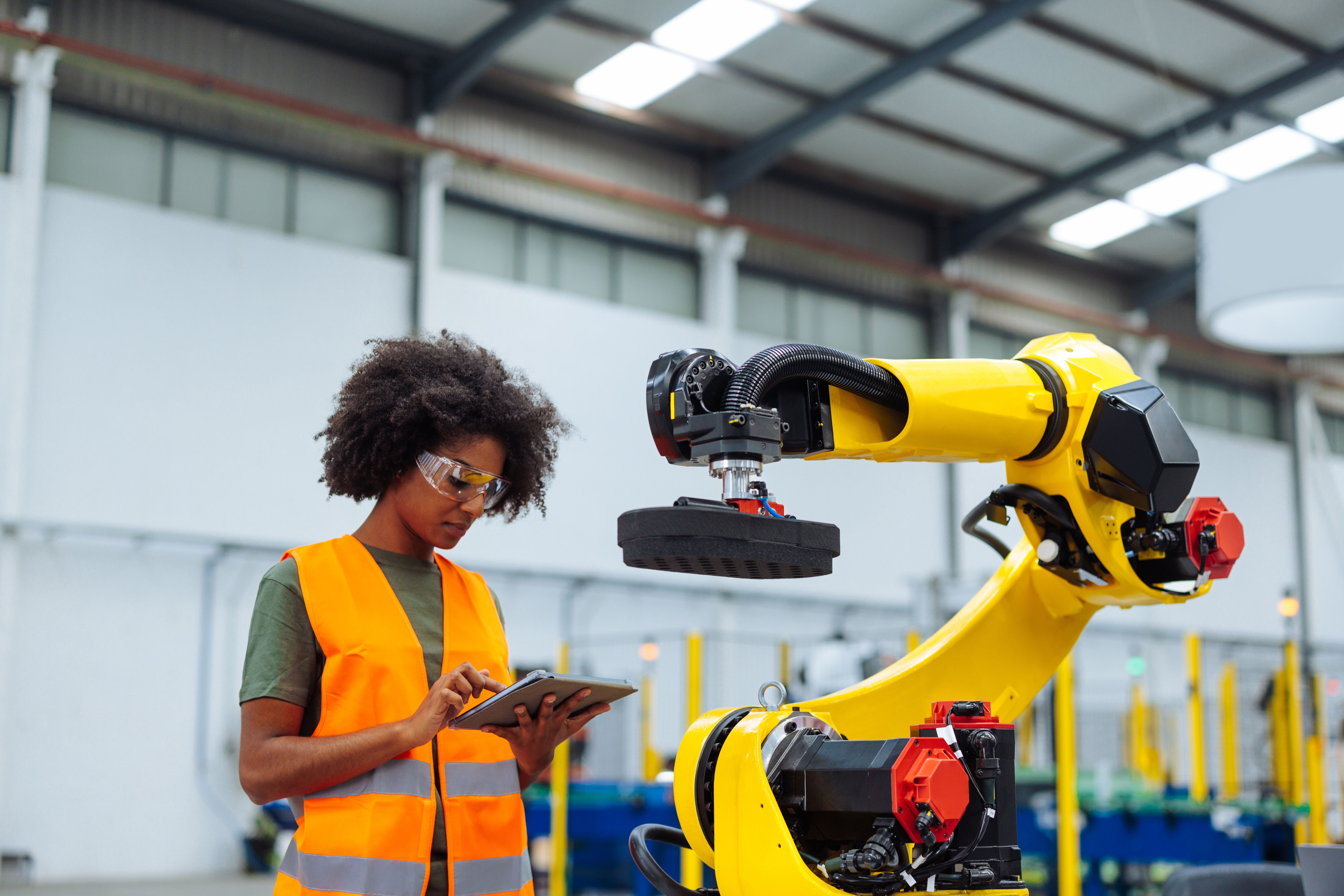
Innovation is at the heart of aerospace and defense advancements, and CNC machining plays a critical role in driving this progress. By enabling the creation of complex geometries and intricate designs, CNC technology facilitates the development of next-generation technologies such as unmanned aerial vehicles (UAVs) and advanced missile systems.
As the aerospace and defense industries continue to evolve, the demand for innovative, reliable, and precise components will only grow. CNC machining is poised to meet these demands, pushing the boundaries of what is possible in design and manufacturing.
Conclusion
CNC machining has established itself as an indispensable tool in aerospace and defense innovations. Its ability to deliver high precision, handle durable materials, streamline production, and drive innovation makes it a critical component in the advancement of these industries. As technology continues to evolve, CNC machining will undoubtedly play a pivotal role in shaping the future of aerospace and defense capabilities.