
Top Trends in CNC Machining for the Defense Industry
Advanced Materials in CNC Machining
The defense industry constantly seeks stronger, lighter, and more durable materials for its applications. Advances in composite materials and titanium alloys have been a game changer, offering enhanced strength-to-weight ratios and improved durability. CNC machining has adapted to these materials, enabling precise and efficient production processes.
These materials are not only used for traditional components but are pivotal in developing new technologies such as drones and autonomous vehicles. The ability of CNC machines to handle such materials with precision is a testament to the industry's innovation.

Automation and Smart Manufacturing
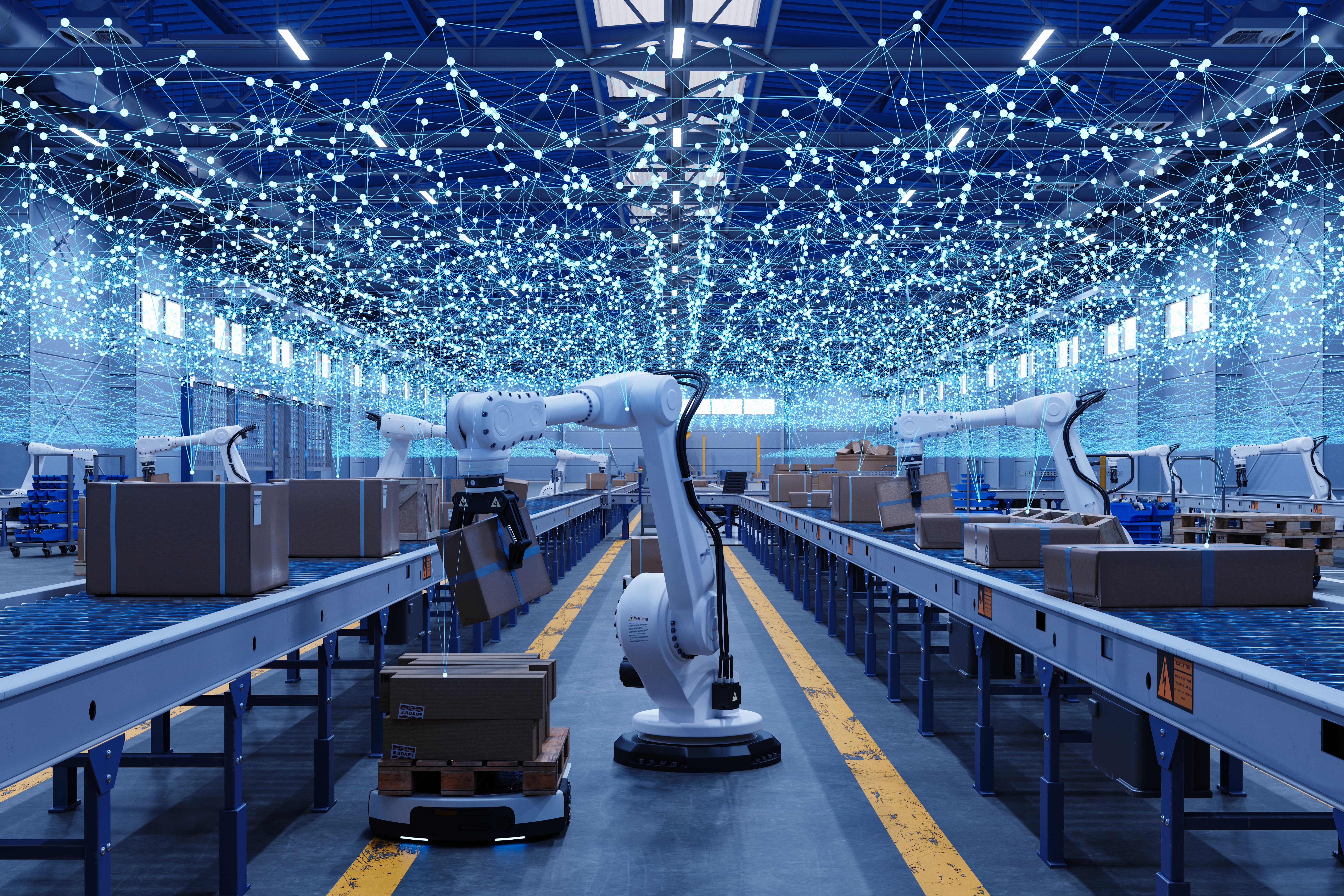
Automation remains at the forefront of CNC machining trends. The integration of smart manufacturing technologies allows for increased production efficiency and reduced human error. Automated systems, including robotics and AI-driven processes, are transforming how components are manufactured for defense applications.
These systems enable real-time monitoring and adjustments, ensuring that production remains consistent and high-quality. The defense industry benefits from these advancements, as they provide the ability to quickly adapt to changing demands and specifications.
High-Precision Machining
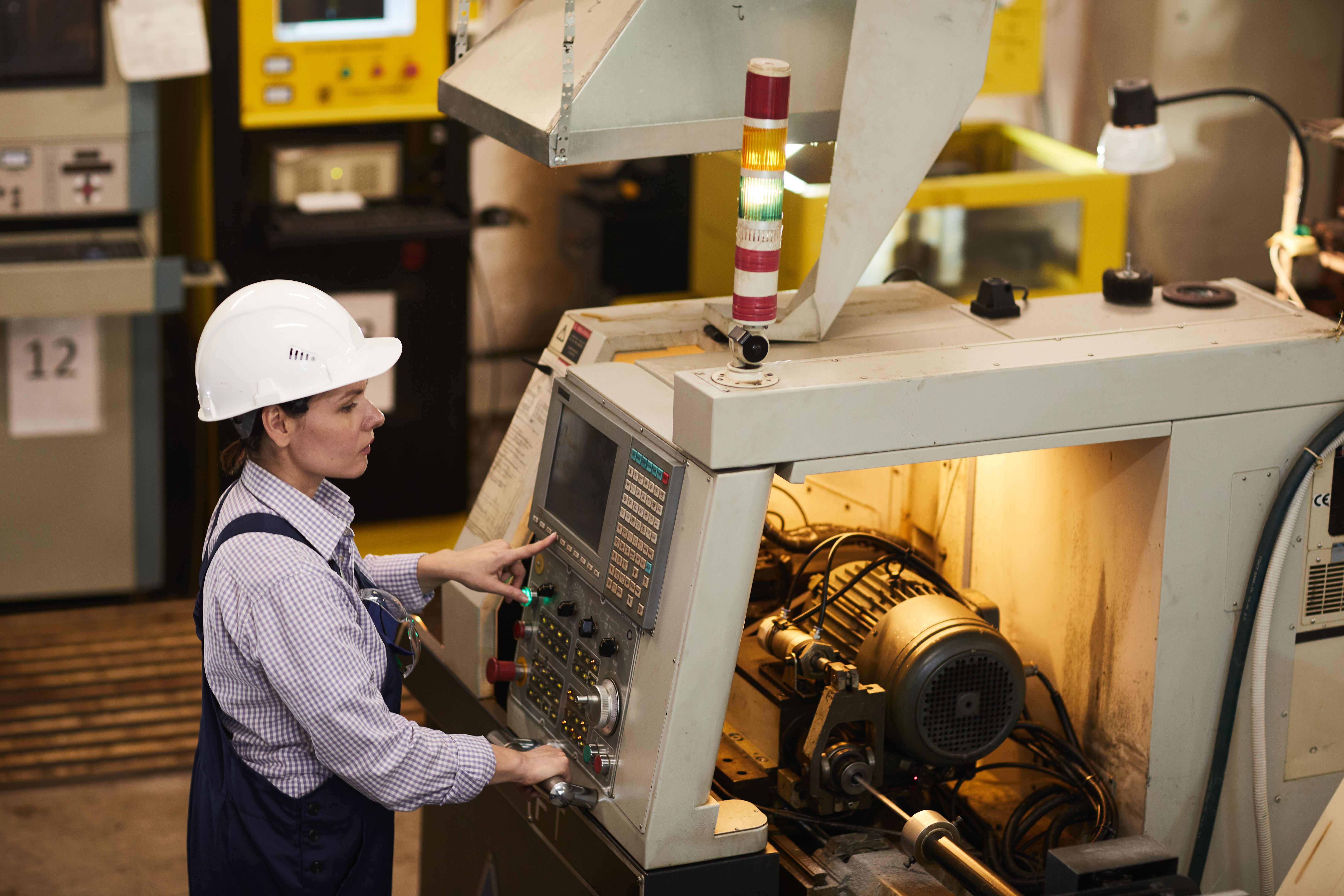
Precision is critical in the defense sector, where even the smallest error can lead to significant consequences. CNC machining is continually evolving to meet these requirements through innovations in high-precision machining. Techniques such as 5-axis machining and laser cutting have become staples, providing unparalleled accuracy.
This trend ensures that every component, from complex mechanical parts to intricate electronic housings, meets the exacting standards required by defense contractors. The ability to produce such precise components is essential for maintaining the reliability and performance of defense systems.
Cybersecurity in Manufacturing
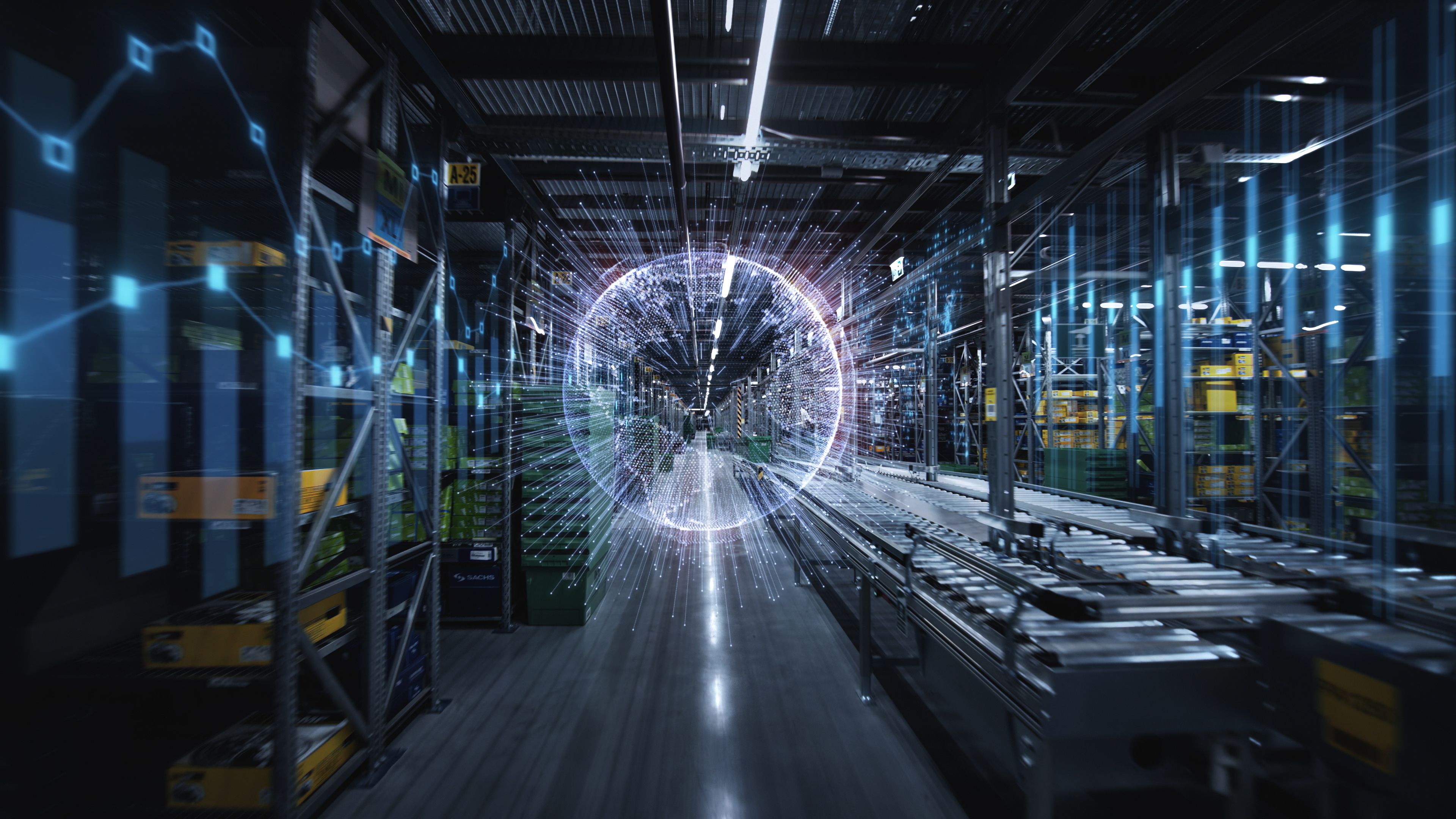
As CNC machines become more connected through the Industrial Internet of Things (IIoT), cybersecurity has become a critical focus. Protecting sensitive data and ensuring the integrity of manufacturing processes are paramount in the defense industry. Implementing robust cybersecurity measures helps safeguard against potential threats.
The integration of cybersecurity solutions involves both software and hardware enhancements, ensuring that CNC machining operations remain secure from external and internal risks. This trend highlights the intersection of traditional manufacturing with cutting-edge technology.
Sustainability and Eco-Friendly Practices
Sustainability is becoming increasingly important across all industries, including defense. CNC machining is evolving to incorporate eco-friendly practices, such as waste reduction and energy-efficient processes. These practices not only benefit the environment but also contribute to cost savings.
The use of recyclable materials and the implementation of lean manufacturing techniques are some of the ways CNC machining is becoming more sustainable. This trend reflects a growing awareness and commitment to environmental responsibility in the defense industry.

Conclusion
The trends in CNC machining for the defense industry are driven by a need for innovation, precision, and sustainability. From advanced materials to cybersecurity, these trends illustrate how the industry is adapting to meet modern challenges. As technology continues to evolve, CNC machining will remain a cornerstone of defense manufacturing, ensuring that the sector is well-equipped to face future demands.