
Top Trends in CNC Machining for the Industrial Sector
Introduction to CNC Machining Trends
The industrial sector is witnessing rapid advancements, and CNC machining is at the forefront of this evolution. With technological innovations, CNC machining continues to redefine precision and efficiency. In this post, we'll explore the top trends shaping the CNC machining industry today.
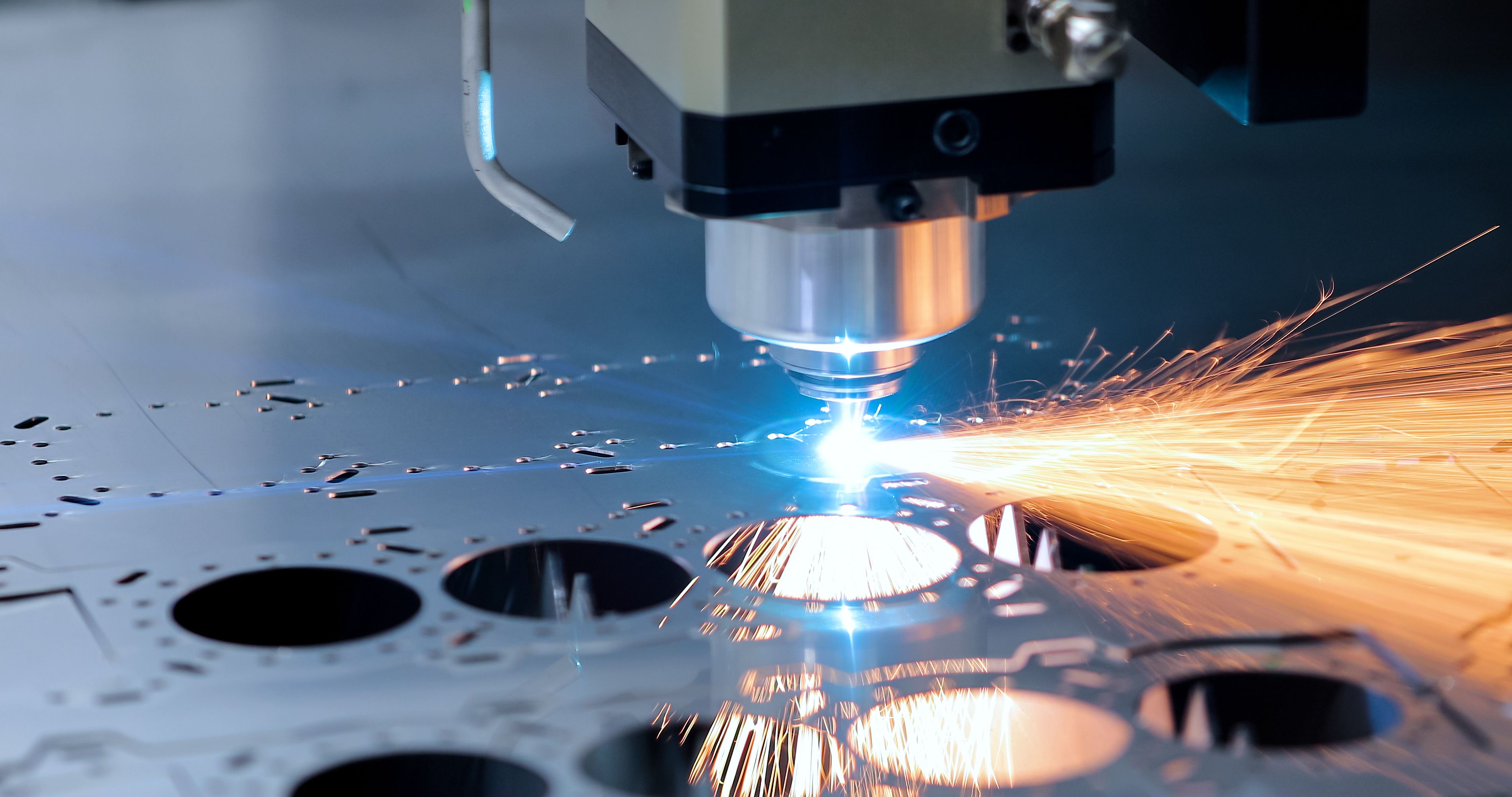
Automation and Robotics
One of the most significant trends in CNC machining is the integration of automation and robotics. Automated systems are enhancing productivity by reducing manual intervention, leading to faster production cycles and minimizing errors. Robotics are being used to handle repetitive tasks, allowing human workers to focus on more complex operations.
Automation not only improves efficiency but also ensures consistency in output. As a result, industries are investing heavily in robotic arms and automated systems to stay competitive.
Advanced Materials
The demand for advanced materials in CNC machining is rising. As industries seek to create stronger, lighter, and more durable products, materials such as carbon fiber, titanium, and specialized alloys are becoming popular. CNC machines are now equipped to handle these materials, providing manufacturers with the flexibility to innovate.

The ability to machine advanced materials opens new possibilities in sectors like aerospace, automotive, and medical devices, where material properties can significantly impact performance.
Internet of Things (IoT) Integration
IoT is revolutionizing CNC machining by enabling real-time monitoring and data analysis. Machines fitted with IoT sensors can collect data on performance, predict maintenance needs, and optimize operations. This connectivity leads to reduced downtime and improved efficiency.
Manufacturers can now track every aspect of their machining processes, ensuring precision and reducing waste. IoT integration is making CNC machining smarter and more adaptable to changing industrial demands.

5-Axis Machining
The adoption of 5-axis machining is another trend gaining momentum. Unlike traditional 3-axis machines, 5-axis CNC machines can move tools or parts along five different axes simultaneously. This capability allows for more complex geometries and finished products with fewer setups.
5-axis machining is particularly beneficial in industries that require intricate designs, such as aerospace and mold-making, where precision is critical.
Sustainability and Energy Efficiency
As sustainability becomes a priority, CNC machining is evolving to meet energy-efficient standards. Manufacturers are focusing on reducing energy consumption and minimizing waste. Techniques such as dry machining and the use of biodegradable lubricants are gaining traction.
By adopting sustainable practices, CNC machining not only reduces its environmental footprint but also cuts costs, making it a win-win for manufacturers and the planet.

Conclusion
CNC machining is continually evolving with advancements in technology and materials. By embracing these trends, manufacturers can enhance their capabilities, improve efficiency, and stay ahead in the competitive industrial landscape. As the industry progresses, staying informed about these trends will be crucial for success.