
Understanding CNC Machining: A Comprehensive Guide for Precision Parts
What is CNC Machining?
CNC machining, or Computer Numerical Control machining, is a manufacturing process where pre-programmed computer software dictates the movement of factory tools and machinery. This technology enables the production of precision parts with high accuracy and consistency, making it essential in industries such as aerospace, automotive, and electronics.
The CNC Machining Process
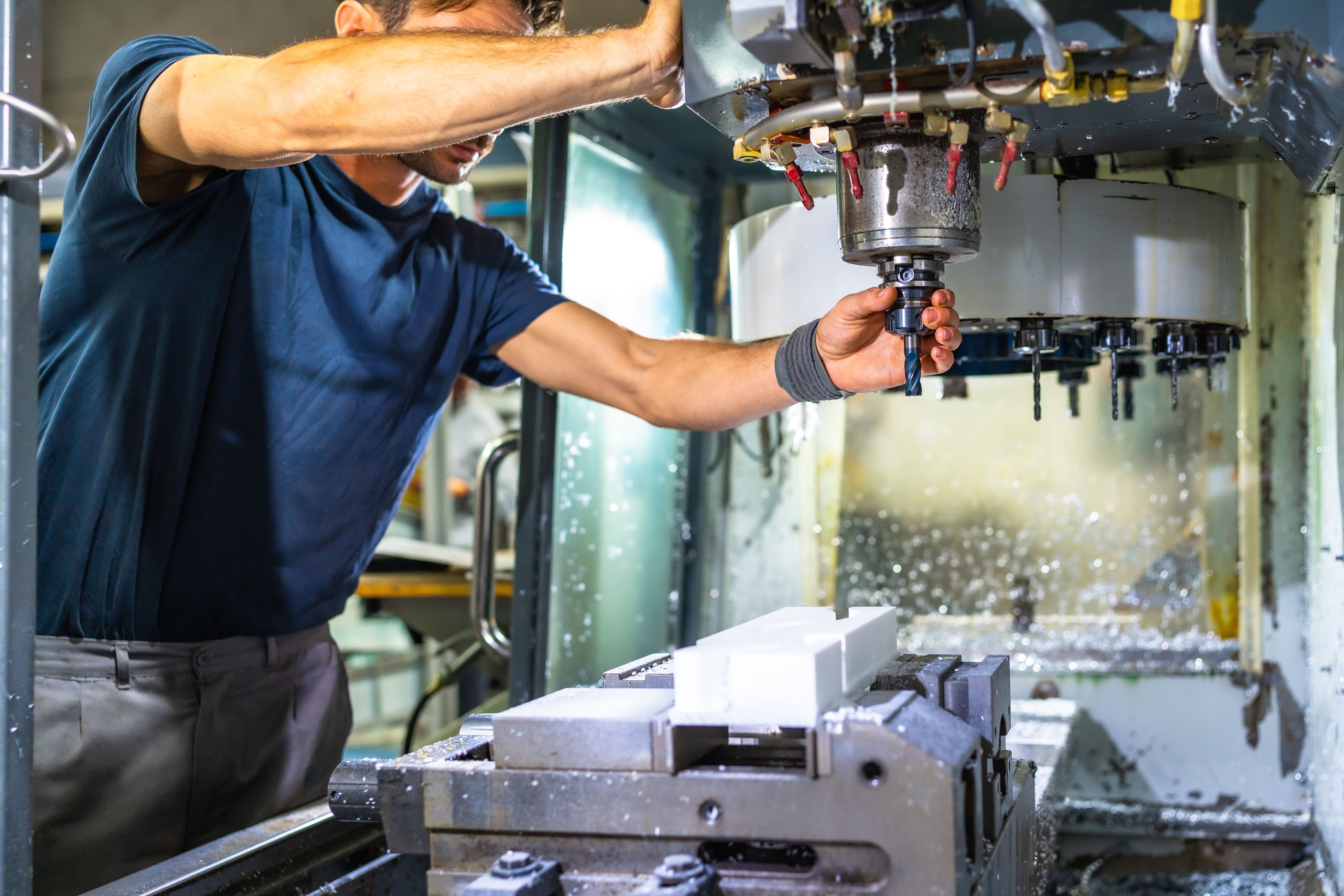
The CNC machining process begins with a digital design created in CAD (Computer-Aided Design) software. This design is then converted into a CNC program using CAM (Computer-Aided Manufacturing) software, which is loaded into the CNC machine. The machine then follows the programmed instructions to shape the raw material into the desired part.
Key components of CNC machines include a computer, a controller, and various tools such as drills, lathes, and mills. These tools work in harmony to carve out intricate shapes and designs with a high degree of precision.
Types of CNC Machines
There are several types of CNC machines, each designed for specific tasks. Some common types include:
- Milling Machines: Used to shape solid materials.
- Lathes: Rotate the workpiece on its axis to perform various operations.
- Routers: Cut complex shapes out of wood, plastic, or metal.
- Plasma Cutters: Use a plasma torch to cut through conductive materials.
Benefits of CNC Machining
CNC machining offers numerous advantages, including:
- Precision and Accuracy: CNC machines can produce parts with tight tolerances and high repeatability.
- Efficiency: Automated processes reduce human error and increase production speed.
- Flexibility: CNC machines can be easily reprogrammed to produce different parts.
Applications of CNC Machining
The versatility of CNC machining makes it suitable for a wide range of applications. In the aerospace industry, it is used to create complex components like turbine blades. The automotive industry relies on CNC machines for parts like engine blocks and gears. Additionally, CNC machining is crucial for producing electronic components with intricate designs.
Challenges in CNC Machining
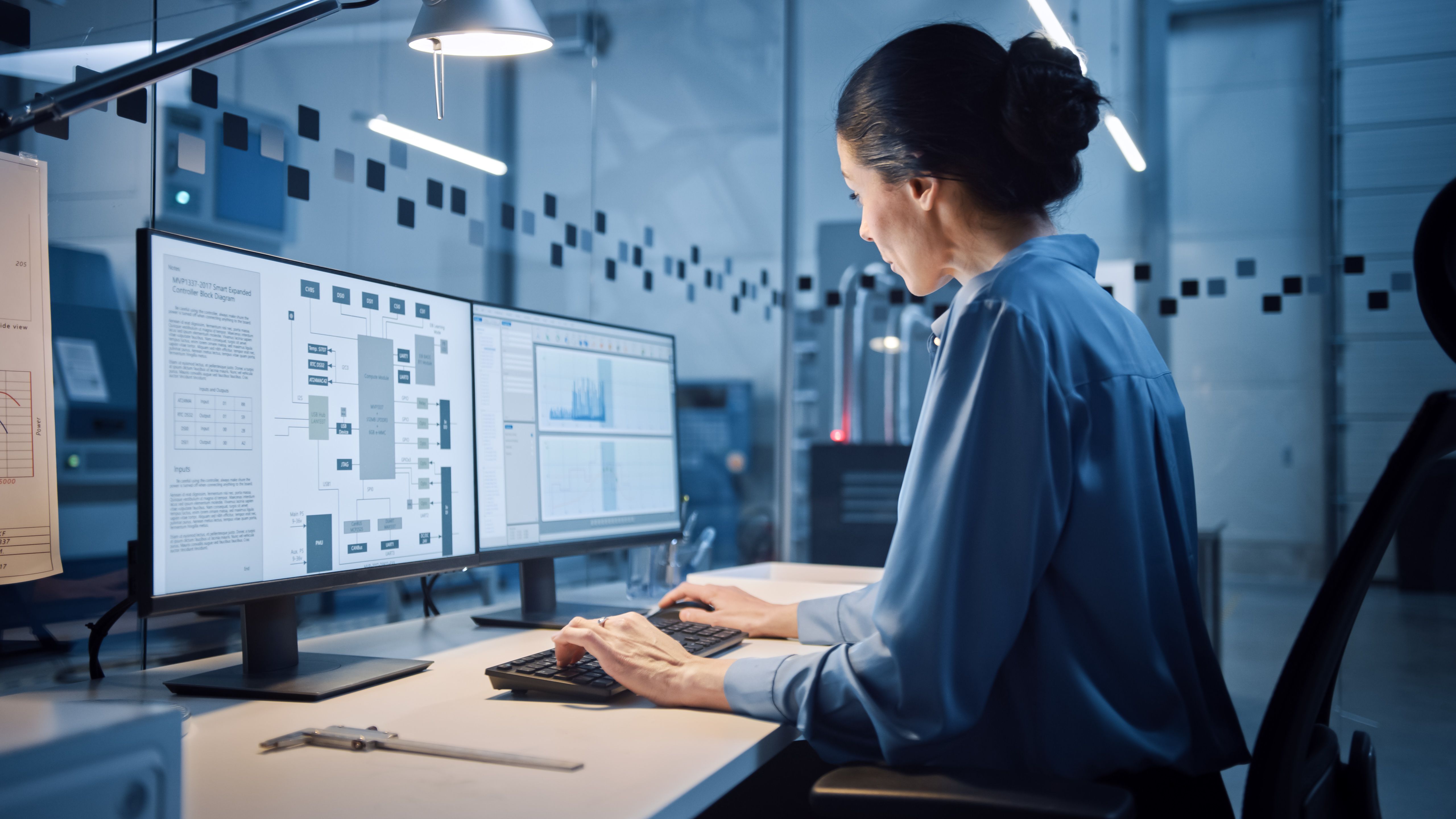
While CNC machining offers many benefits, there are challenges to consider. The initial setup and programming can be time-consuming and require skilled operators. Additionally, the cost of CNC machines and maintenance can be high, making it essential to ensure a return on investment through efficient production practices.
Regular updates and maintenance of software and hardware are crucial to keep CNC machines running smoothly and efficiently. Staying informed about the latest advancements in CNC technology can help businesses remain competitive.
Conclusion
Understanding CNC machining is vital for industries that require precision and efficiency in manufacturing. By leveraging advanced technology and skilled programming, CNC machines continue to play a crucial role in producing high-quality parts across various sectors. Embracing CNC machining can lead to increased productivity, reduced waste, and greater innovation in product design.