
Understanding CNC Machining: A Guide for the Oil & Gas Industry
Understanding CNC Machining for the Oil & Gas Industry
The oil and gas industry is continuously evolving, demanding innovative solutions to keep up with its complex requirements. One technology that has become indispensable is CNC (Computer Numerical Control) machining. This advanced manufacturing process offers precision and efficiency, making it ideal for producing components vital to the industry.
What is CNC Machining?
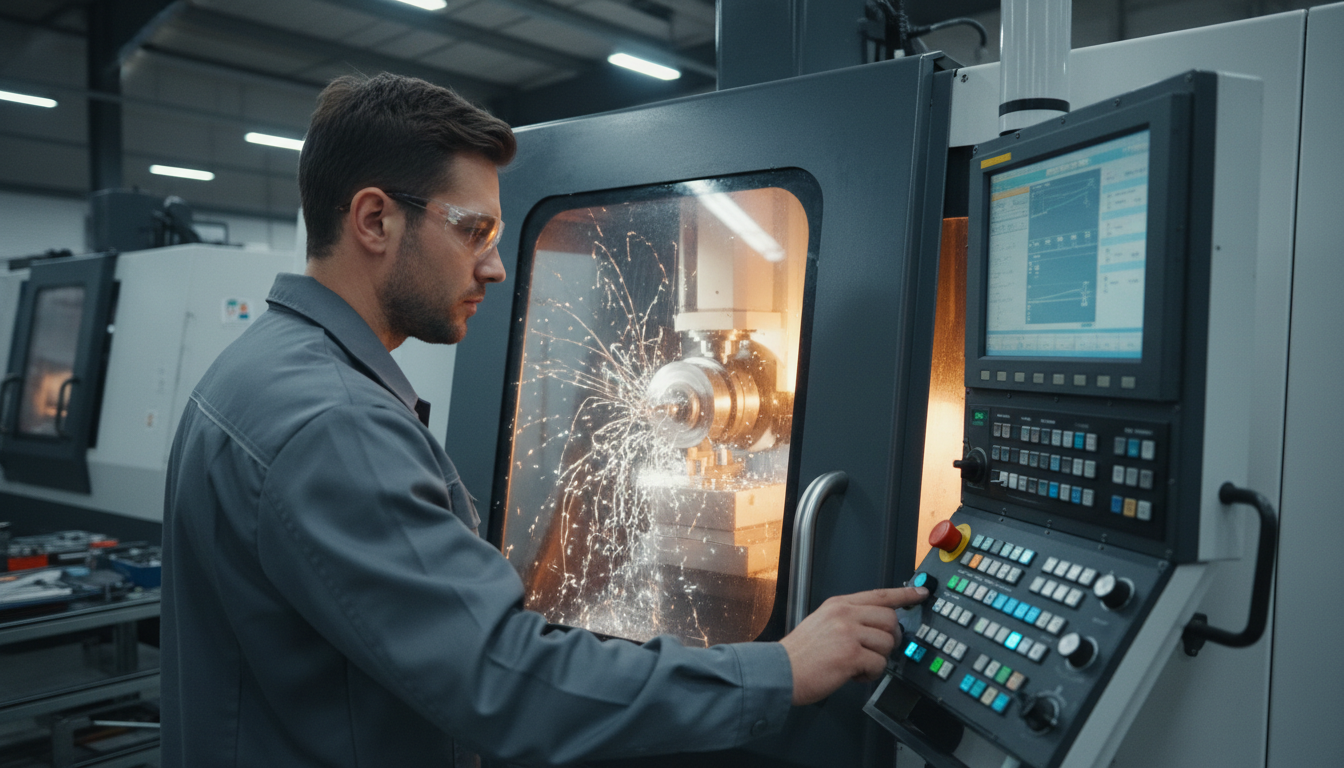
CNC machining is a manufacturing process where pre-programmed computer software dictates the movement of factory tools and machinery. It allows for complex and intricate parts to be produced with high accuracy and repeatability. This technology is particularly beneficial for the oil and gas sector, where precision is critical.
The process involves the use of computer-controlled machines such as lathes, mills, routers, and grinders. These machines can cut, shape, and create parts from a variety of materials, including metals, plastics, and composites. Understanding the capabilities of CNC machining is essential for engineers and manufacturers in the oil and gas industry.
Benefits of CNC Machining in Oil & Gas
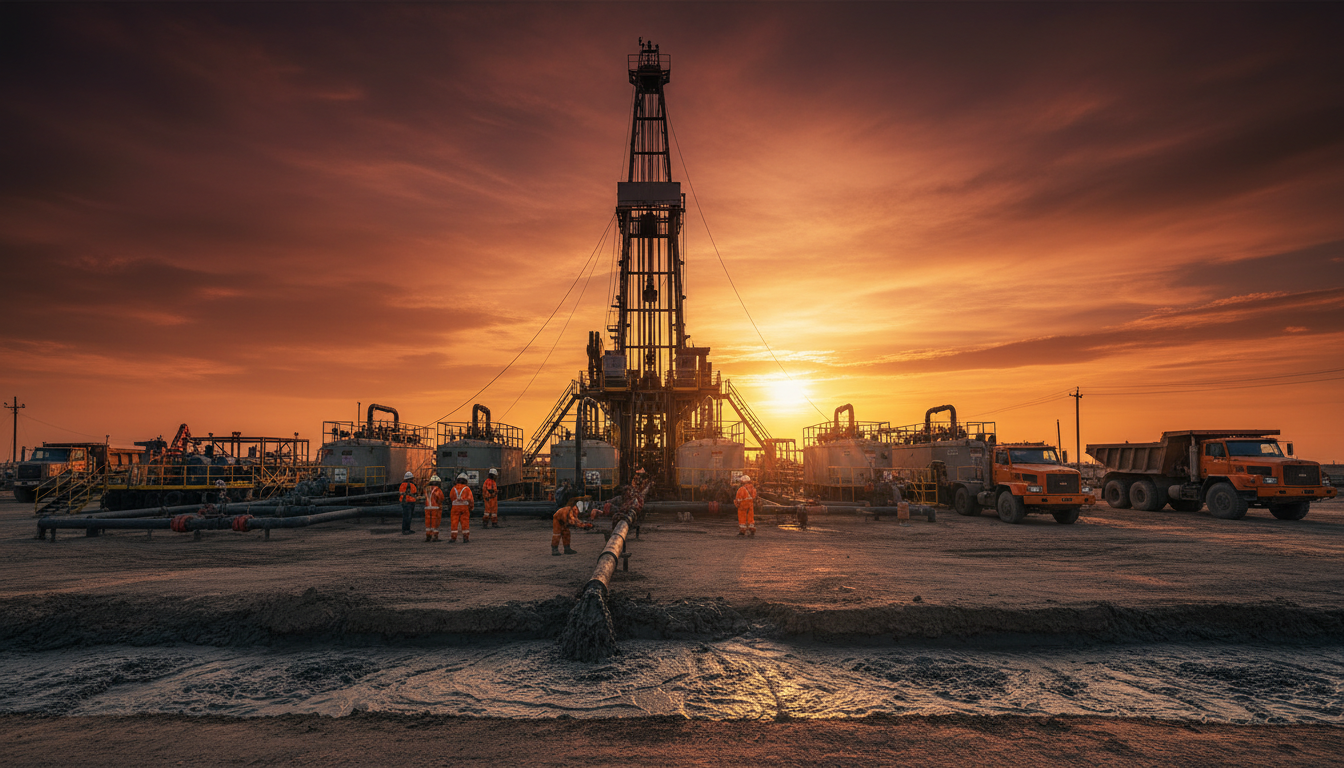
There are several advantages to using CNC machining in the oil and gas industry:
- Precision: CNC machines operate with extreme precision, ensuring that parts meet strict tolerances and specifications.
- Efficiency: Automated processes reduce production time and minimize human error.
- Flexibility: CNC machines can easily be reprogrammed to produce different parts, allowing for quick adaptation to changing needs.
These benefits lead to cost savings and improved reliability, which are crucial in the demanding environment of oil and gas operations.
Applications in the Oil & Gas Sector
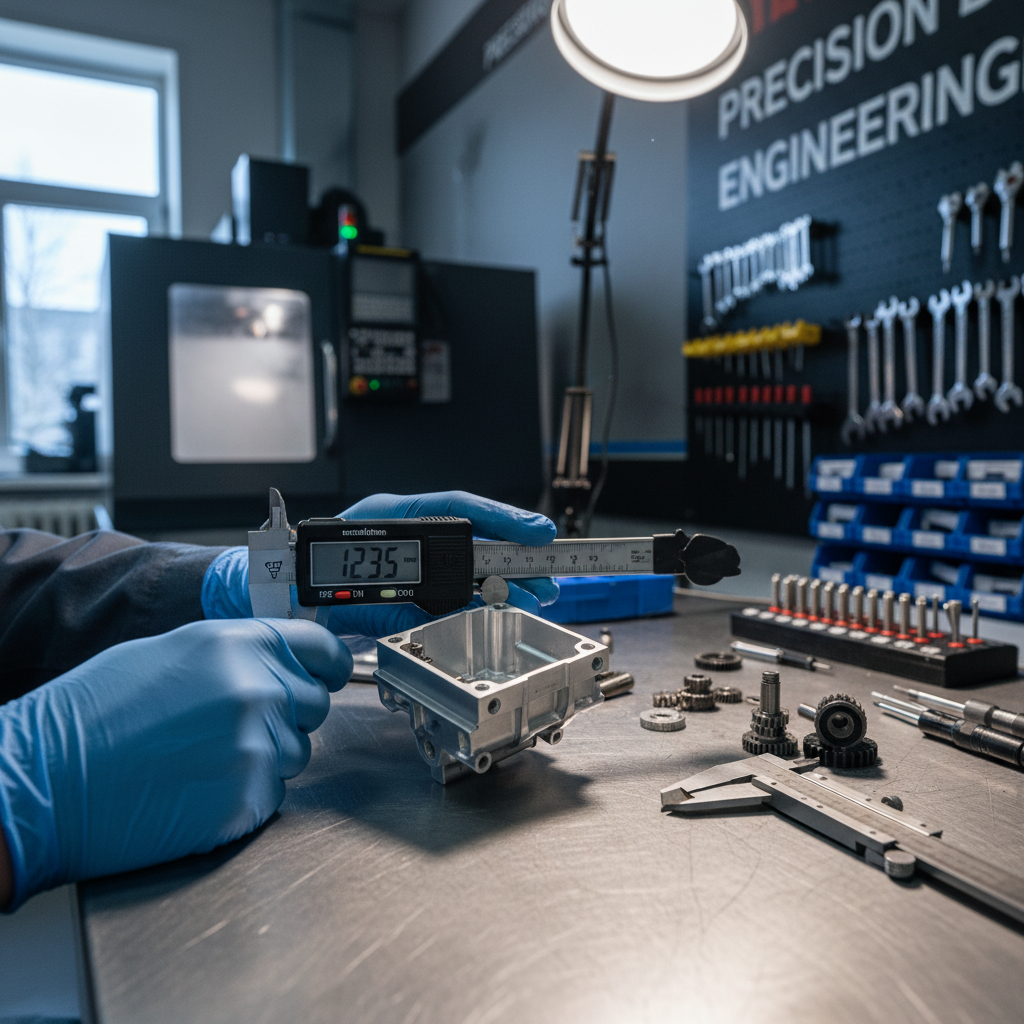
CNC machining is used in various applications within the oil and gas industry, including:
- Manufacturing components for drilling rigs and equipment.
- Producing parts for pipelines and refineries.
- Creating custom tools and fixtures for specific tasks.
Each of these applications requires parts that can withstand harsh environments and extreme conditions, where CNC machining excels.
Choosing the Right CNC Services
When selecting a CNC machining service for oil and gas applications, consider the following factors:
- Experience: Look for providers with a proven track record in the industry.
- Capabilities: Ensure they have the right machinery and expertise to meet your needs.
- Quality Assurance: A robust quality control process is crucial to ensure the reliability of the parts produced.
Partnering with a skilled CNC service provider can lead to enhanced operational efficiency and reduced downtime.
The Future of CNC Machining in Oil & Gas
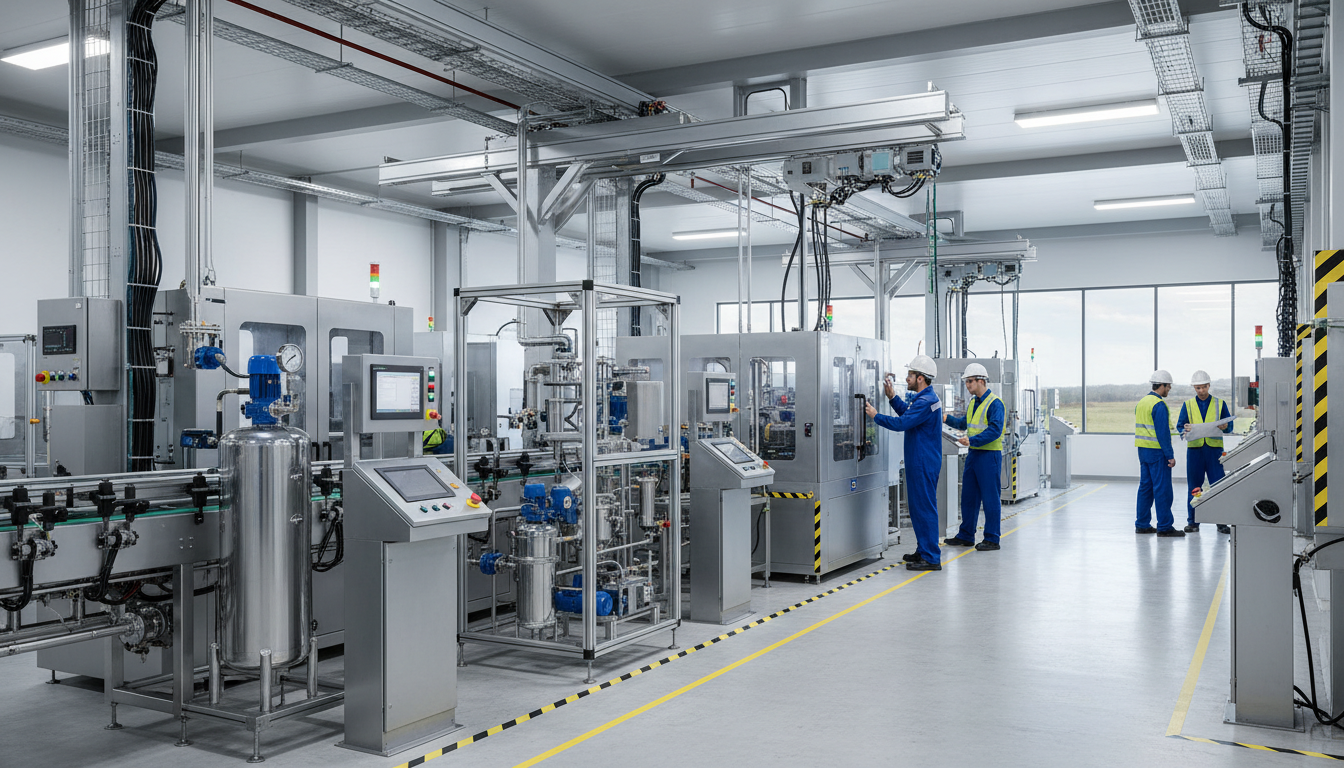
As the oil and gas industry continues to advance, so too will the technology supporting it. CNC machining is poised to play a significant role in future developments, with innovations such as automation and AI integration enhancing its capabilities even further.
By staying informed about the latest advancements in CNC machining, companies in the oil and gas sector can maintain a competitive edge, ensuring they are ready to meet the challenges of tomorrow.