
Understanding Tolerances: What Makes Precision Machining Crucial in Defense
Understanding Tolerances in Precision Machining
Precision machining is a cornerstone of the defense industry, where the margin for error is virtually nonexistent. Tolerances, the allowable limits of variation in a physical dimension, play a crucial role in ensuring that every component functions perfectly under the most demanding conditions. In defense applications, precision and reliability are not just desired; they are essential.
The Importance of Tolerances
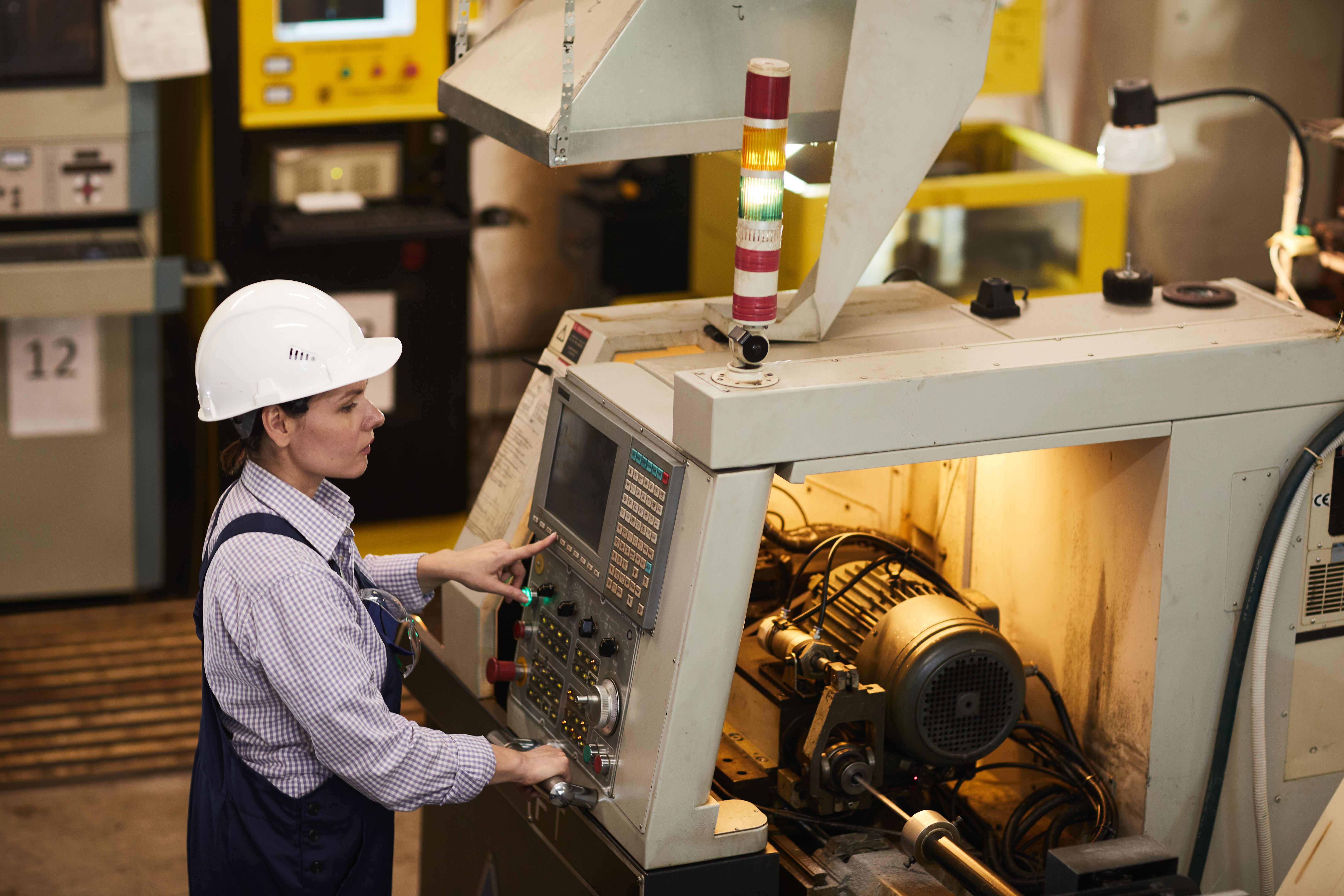
Tolerances are critical because they ensure that parts fit together seamlessly, reducing the risk of failure. In military equipment, even the slightest deviation can result in catastrophic consequences. Whether it's a component in a jet engine or a part of a weapon system, maintaining strict tolerances ensures reliability and safety.
For instance, consider the assembly of a missile guidance system. Each piece must align perfectly for the system to function correctly. A deviation as small as a fraction of a millimeter can cause a malfunction, potentially compromising a mission.
Why Precision Machining is Essential
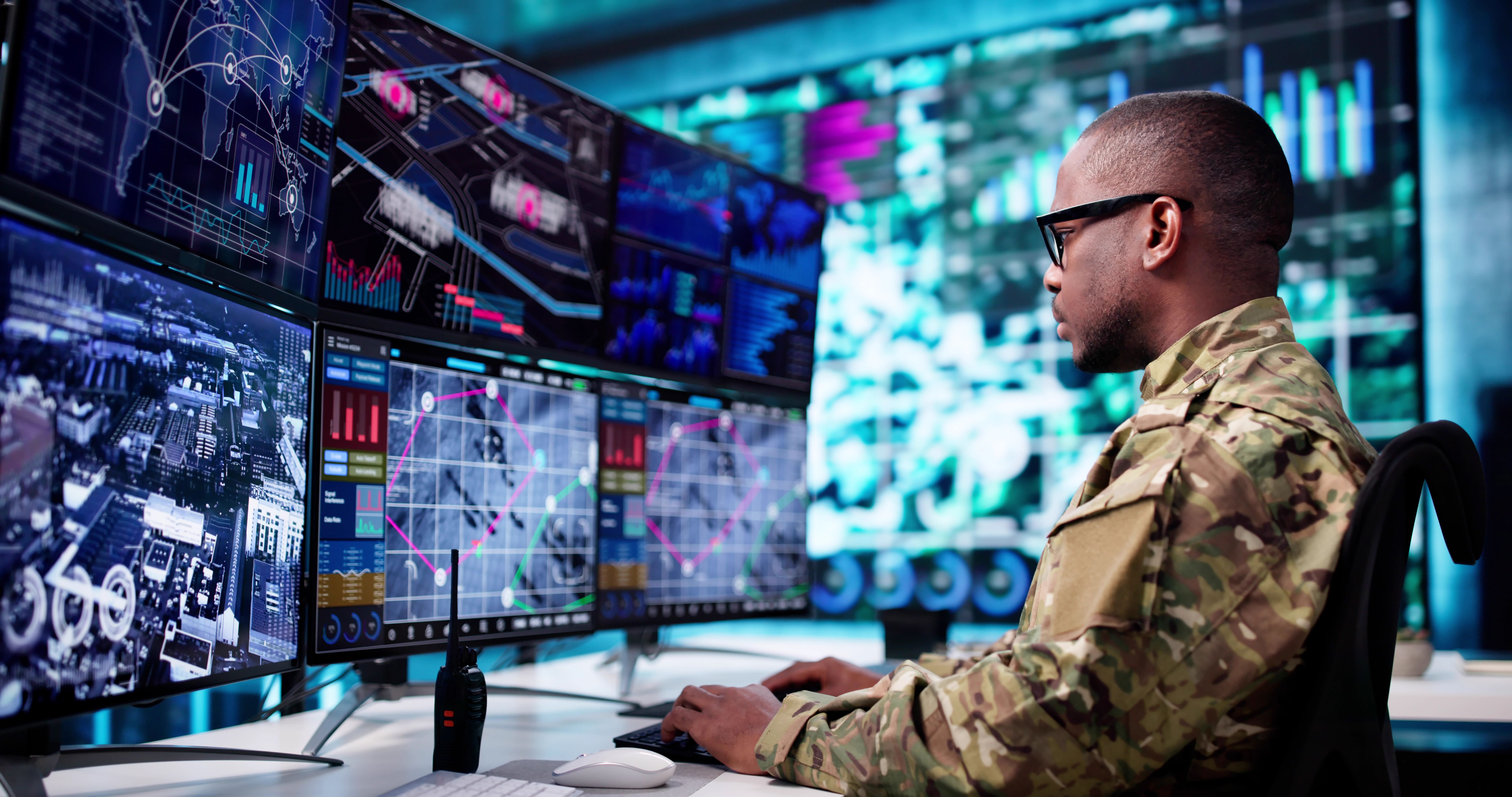
Precision machining allows for the creation of components with extremely tight tolerances. This level of accuracy is achieved through advanced technology and meticulous quality control processes. Here's why precision machining is indispensable in defense:
- Accuracy: Precision machining ensures that each component is manufactured to exact specifications, minimizing the risk of errors.
- Consistency: By maintaining tight tolerances, manufacturers can produce parts that consistently meet quality standards.
- Durability: Components that are machined with precision tend to have a longer lifespan, reducing the need for frequent replacements.
Technological Advances in Precision Machining
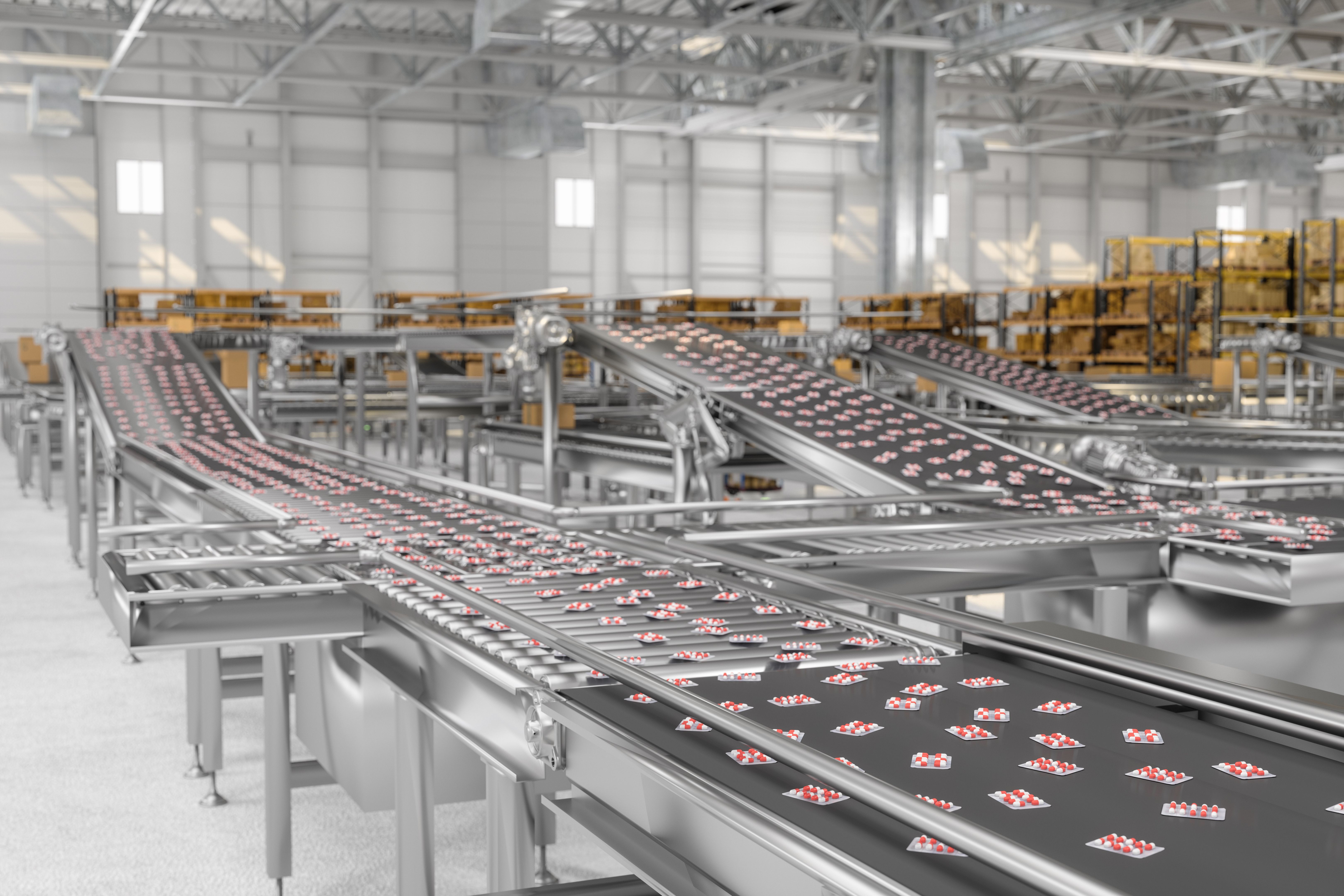
In recent years, technological advancements have significantly enhanced the capabilities of precision machining. Computer Numerical Control (CNC) machines, for example, have revolutionized the industry by providing unparalleled accuracy and efficiency. These machines can produce complex parts with intricate geometries, all while maintaining tight tolerances.
Additionally, innovations such as additive manufacturing and laser cutting have expanded the possibilities for creating highly precise components. These technologies are particularly beneficial in the defense sector, where custom solutions are often required.
The Role of Skilled Machinists
While technology plays a vital role, the expertise of skilled machinists is equally important. These professionals have a deep understanding of how to work with different materials and tools to achieve the desired tolerances. Their knowledge ensures that the final product meets the stringent requirements of the defense industry.
Skilled machinists are trained to detect any deviations and make necessary adjustments, ensuring that the production process remains on track. Their ability to troubleshoot and solve problems quickly is invaluable in maintaining the integrity of defense components.
Conclusion
In the defense sector, precision machining is not just about meeting specifications; it's about ensuring the safety and effectiveness of military operations. By understanding and adhering to strict tolerances, manufacturers can produce reliable components that perform flawlessly under pressure. As technology continues to evolve, the importance of precision machining and the expertise of skilled machinists will only grow, reinforcing its critical role in defense.